
Fintech

Popular Articles

Fintech 11.07.2026

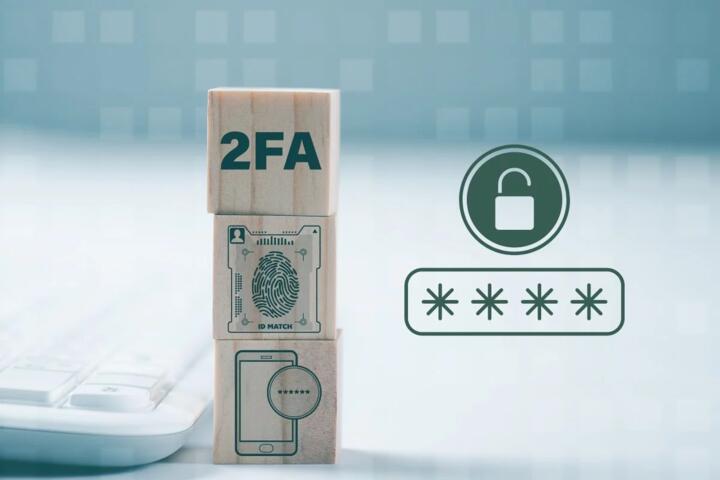
Verifying Your Identity in Minutes, the Fintech Way

This article explores rapid identity verification processes in financial technology, highlighting precise methods used to speed and secure onboarding. It targets professionals and users navigating digital finance services who face verification delays or security concerns. Expect detailed insights, real brand examples, and actionable techniques to recognize and avoid pitfalls in fintech ID verification.

Read » 480
Fintech 05.07.2026

What Open Banking Means for Your Accounts

Open banking is changing what it feels like to manage your money day to day. Instead of your accounts living in separate silos, you can choose to securely connect your bank to trusted third‑party apps and services - so they can pull in your transactions (with your permission) and help you budget, track subscriptions, compare offers, or get more personalized lending and saving options. This article breaks down what actually happens when you link an account, how your data is shared and protected, the privacy and security risks to watch for, and the practical steps you can take to use open banking to your advantage without giving up control.

Read » 386
Fintech 29.06.2026

How Cross-Border Payment Apps Cut the Cost of Sending Money

Cross-border payment apps reduce fees and exchange costs significantly when sending money internationally. They offer faster transfers, better exchange rates, and transparent pricing compared to traditional banks and remittance services. This article targets frequent senders and businesses aiming to save on international money transfers by exploring real-world tools and strategies that lower expenses effectively.

Read » 407
Fintech 23.06.2026

Your Fintech Account Isn't Always Deposit-Insured

Fintech accounts can feel just like regular bank accounts - easy to open, simple to use, and packed with sleek features. But there’s an important difference many people miss: some fintechs aren’t covered by federal deposit insurance, which can put your money at risk if something goes wrong. This guide breaks down where insurance gaps typically appear, how to confirm whether your funds are actually insured, and the warning signs to watch for. You’ll also find practical steps to safeguard your cash, along with real-world examples of fintech breakdowns that highlight why these checks matter.

Read » 347
Fintech 11.06.2026

A Fintech App Shuts Down, What Happens to Your Money

When a fintech app shuts down - whether due to bankruptcy, a sudden business pivot, or a partner bank change - users can be left scrambling to access balances, move recurring payments, and secure personal data. This article explains what typically happens during a fintech closure, including how “wallet” funds, debit cards, savings features, and brokerage-like accounts may be handled depending on the underlying bank or custodian. Using real-world scenarios, it outlines step-by-step actions to protect yourself: verifying where your money is held, documenting balances and transactions, initiating withdrawals or transfers, updating direct deposits and autopay, and preserving statements before access disappears. It also clarifies key regulatory concepts (like FDIC pass-through coverage and consumer complaint channels) and offers a checklist for transitioning safely to a replacement service without losing money or data.

Read » 496
Fintech 02.06.2026

How Robo-Advisors Decide Where to Put Your Money

Robo-advisors decide where your money goes using algorithms built on risk profiles, time horizons, and market data. Platforms like Betterment, Wealthfront, and Vanguard Digital Advisor don’t guess — they map your answers to portfolios made of ETFs. Behind the scenes, your “simple questionnaire” becomes a model that shifts allocation between stocks, bonds, and cash. The result feels automatic, but the logic is anything but random.

Read » 537
Fintech 29.05.2026

A Look Inside How "Buy Now, Pay Later" Really Works

Buy Now, Pay Later (BNPL) lets shoppers split purchases into smaller payments, often at checkout on apps like Klarna, Afterpay, and Affirm. It looks simple: pay in 4 installments, sometimes with no interest. Behind the interface, merchants, lenders, and risk models decide who gets approved and who quietly gets rejected. For people using it on clothing, electronics, or groceries, the system can reshape monthly cash flow without feeling like debt—until late fees, stacking plans, or missed payments enter the picture.

Read » 448
Fintech 21.05.2026

Contactless Payments, and What Really Happens When You Tap

Contactless payments look invisible at the surface, yet every tap triggers a full verification chain between your card, phone, and bank. This article breaks down what actually happens in those few hundred milliseconds at checkout. It also explains why some taps fail, why charges sometimes appear twice, and how networks like Visa and Mastercard move data so quickly. If you use Apple Pay, Google Pay, or a contactless card daily, the hidden mechanics matter more than they seem.

Read » 506
Fintech 11.05.2026

How Digital Banks Make Money Without Branches

Digital banks earn money in ways most users never see. No branches, no tellers, no marble lobbies - but plenty of revenue streams running through apps every second. Companies like Revolut, Chime, N26, Monzo, and Wise rely on interchange fees, subscriptions, FX spreads, lending products, and partner networks. For users, the app feels free or cheap. Underneath, every swipe, transfer, and currency conversion carries a small cut that keeps the system moving.

Read » 503
Fintech 07.05.2026

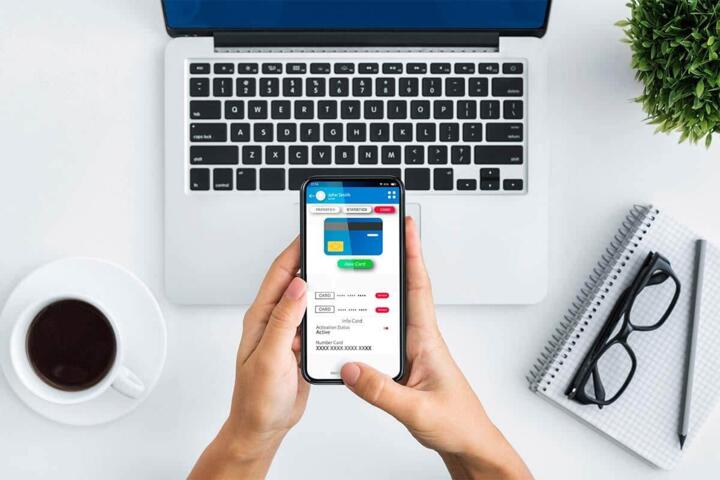
Keeping Your Card Details Safe Inside a Digital Wallet

Digital wallets now sit at the center of everyday payments. Apple Pay, Google Pay, and Samsung Wallet store card data behind device locks and token systems, reducing direct exposure of your real card number. Still, breaches, phishing, and device theft continue to target weak points around the wallet itself. This article breaks down how card details are protected, where risks actually appear, and what habits reduce exposure without slowing daily payments.

Read » 375