How Bnpl Works
Buy Now, Pay Later sits between a credit card and a layaway plan. You click “Pay in 4,” and the merchant gets paid upfront while a BNPL provider covers the purchase. Then you repay the provider in installments, often every two weeks. Klarna reported over 150 million global users in 2024, and Affirm processed billions in annual gross merchandise volume across retail partners like Amazon and Walmart.
The checkout feels instant. Approval takes under 10 seconds in most cases. A soft credit check may happen, though many short-term plans avoid a hard inquiry for small amounts.
Skip the credit card comparison. It behaves differently. Fees are structured per transaction, not revolving balances.
Each provider runs its own risk model. Income signals, purchase history, and device data all feed into approval decisions. Some users see limits of $50. Others unlock $2,000+ after repeated on-time payments.
Money moves fast here.
Where Users Lose
BNPL rarely feels like borrowing. That is part of the design. A $120 purchase becomes four payments of $30, and the mental math shrinks the decision.
Skip the “it’s just four payments” thinking. It hides accumulation. Three active BNPL plans can quietly turn into $300–$600 in monthly obligations.
Missed payments trigger late fees. Afterpay charges up to $8 per missed installment in some regions. Klarna and Affirm may freeze accounts or restrict future purchases instead of immediate penalties, but delays still disrupt cash flow.
Small fees stack fast.
Multiple BNPL apps create fragmentation. One user might have Klarna for fashion, Affirm for electronics, and PayPal Pay in 4 for travel bookings. None of them talk to each other. Your bank balance does, though.
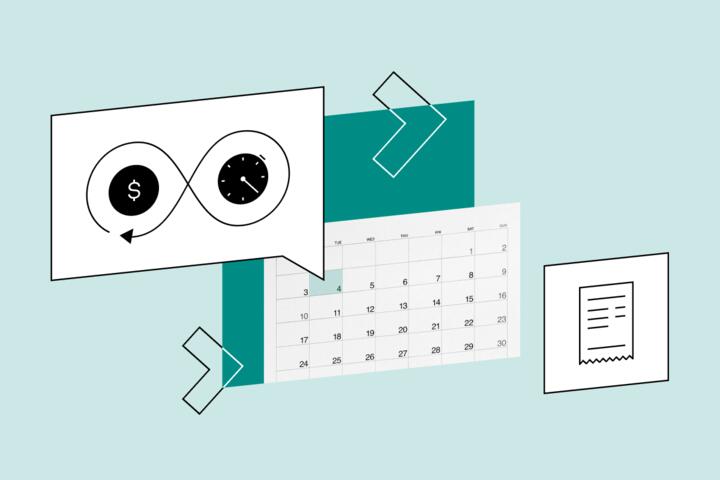
Then there is timing mismatch. Payments often land every 14 days, not monthly. That rhythm clashes with salary cycles, especially for gig workers or freelancers.
Debt feels invisible until payday arrives.
Smarter Ways To Use BNPL
Track all active plans
Start with visibility. List every BNPL purchase across apps. Most users underestimate exposure by 30–50% because purchases are scattered across platforms.
One dashboard works better than memory. Apps like Monarch Money or Rocket Money can pull transactions from connected accounts and flag installment payments.
Hidden payments stop being hidden.
Limit to one provider
Multiple BNPL accounts create overlap risk. Using only one provider reduces scheduling conflicts and missed payments.
Affirm users, for example, see consolidated repayment schedules inside a single interface. Klarna offers similar centralized tracking.
Skip the app stacking. It adds friction without control.
Match payments to income
Align installment dates with paydays. If income arrives on the 1st and 15th, set BNPL withdrawals for the 2nd and 16th.
This reduces overdraft risk on linked accounts and keeps balances predictable across a 30-day cycle.
Timing beats intention.
Set a hard monthly cap
Decide a fixed BNPL limit before shopping starts. Many financial planners suggest keeping installment commitments under 10% of monthly take-home pay.
If income is €2,500, that means €250 maximum in active BNPL obligations.
Anything above that starts reshaping rent and grocery decisions.
Avoid stacking purchases
Do not open new BNPL plans until old ones are cleared. Stacking creates overlapping cycles that peak unpredictably.
A user might think they are paying $40 a month, but actual exposure is $160 across four platforms.
Numbers drift upward quietly.
Use BNPL for durable goods
BNPL works best for planned purchases like laptops or home appliances. It performs poorly for impulse buys like fast fashion or food delivery.
A $900 laptop split over six months is predictable. Ten $30 impulse purchases are not.
Intent matters more than access.
Real World Cases
In 2023, a UK-based retail survey found that nearly 42% of Gen Z users had at least one active BNPL plan during holiday shopping. Many reported losing track of due dates across multiple apps.
One shopper in London used Klarna for clothing, Afterpay for electronics, and PayPal Pay in 4 for concert tickets. Monthly obligations reached roughly £420 before she realized her bank buffer had dropped below £100. She consolidated payments and closed two accounts within three months.
Affirm reported that repeat users tend to spend 70% more over time compared to first-time users, based on internal merchant data shared in earnings reports. The increase comes from higher approval limits and reduced friction at checkout.
Spending grows quietly.
Bnpl Vs Credit
| Feature | BNPL | Credit Card | Risk |
|---|---|---|---|
| Structure | Fixed installments | Revolving debt | Medium |
| Interest | 0–30% APR | 15–25% APR | High if unpaid |
| Approval | Instant | Credit-based | Credit impact |
| Fees | Late fees | Interest + fees | Compounding |
Common Mistakes
Most BNPL problems do not come from one big purchase. They come from repetition across small ones.
First mistake: treating approval as affordability. A $75 approval limit does not mean the budget supports it. It only means the algorithm said yes.
Second mistake: ignoring due date clustering. Several BNPL payments can land on the same week, creating a spike in account withdrawals.
Skip automatic optimism.
Third mistake: using BNPL during low-cash months. That creates overlap between current spending and future obligations, which tightens budgets for 60–90 days.
Fourth mistake: forgetting subscription-style BNPL plans tied to memberships or services. These often renew quietly after installment cycles end.
Fifth mistake: missing account reconciliation. People rarely total their active installments, which leads to underestimating monthly obligations by hundreds of euros or dollars.
FAQ
Does BNPL affect credit scores?
Some providers report to credit bureaus, especially for larger or missed payments. Short-term “pay in 4” plans often do not, but policies vary by company and region.
What happens if I miss a BNPL payment?
Late fees may apply, accounts can be frozen, and future approvals may decrease. Some providers also restrict access until balances are cleared.
Is BNPL better than credit cards?
It depends on usage. BNPL offers fixed installments, while credit cards revolve debt. BNPL can be simpler short-term, but credit cards offer more flexibility in emergencies.
Why do stores offer BNPL?
Retailers see higher conversion rates and larger basket sizes. Some studies show checkout conversion increases of 20–30% when BNPL is available.
Can BNPL lead to debt problems?
Yes. Multiple active plans, missed payments, and overlapping cycles can create cash flow strain similar to traditional credit debt if not tracked carefully.
Author's Insight
I have seen BNPL shift from a checkout experiment to a default payment option in less than a decade. The interface makes spending feel light, almost temporary, but the repayment calendar tells a different story.
The users who stay ahead of it treat BNPL like scheduled cash flow, not free spending power. Everything else tends to compound in ways that show up later, usually on the same week.
It always comes back to timing.
Summary
Buy Now, Pay Later works by splitting purchases into short-term installments funded upfront by providers like Klarna, Affirm, and Afterpay. It simplifies checkout but introduces fragmented repayment schedules across weeks or months. Users who track obligations, limit providers, and align payments with income reduce the risk of missed fees and budget strain.
Use it for planned purchases, not impulse spending. Read every schedule twice. Then check your bank balance before the second installment hits.