
Popular Articles
Wellness
28.05.2026
An Evening Wind-Down That Helps You Fall Asleep Faster
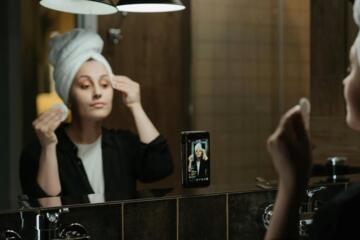
An evening wind-down routine drastically improves how fast you fall asleep. Small changes in the final 60 to 90 minutes before bed effectively lower mental noise and reduce time spent awake staring at the ceiling. While many people use screens right until lights-out and wonder why sleep takes hours to arrive, this guide offers a practical sequence. It is designed to work with your natural nervous system timing rather than fighting against it.
Wellness
24.05.2026
Building a Habit You'll Actually Keep
This article explores why most habits collapse within days and how to build ones that actually stick. Instead of relying on fleeting motivation spikes or complex productivity hacks, the focus is entirely on practical behavior design. You will discover how small, consistent systems easily outperform raw willpower across your work, health, and daily routines. The ultimate goal is to create sustainable habits that remain intact even when your initial enthusiasm fades.
Wellness
14.05.2026
How a Morning Routine Sets Up Your Whole Day
A morning routine shapes how the rest of the day unfolds, from focus at work to how decisions feel under pressure. This article breaks down what actually happens when mornings are structured versus chaotic, using real behavior patterns and productivity research. It’s written for people who feel their day starts scattered or rushed before it even begins. Expect practical routines, real examples, and specific changes that compound over time.
Wellness
08.05.2026
Journaling and How It Clears a Busy Mind
Journaling is a powerful tool to offload mental clutter, freeing your brain from holding onto every single thought. Spending just 10–15 minutes a day writing helps reduce stress, boost focus, and regulate emotions. It is highly effective for students, founders, and anyone juggling too many tasks. This article breaks down exactly how journaling clears out persistent mental noise and highlights the practical methods that actually stick.
Wellness
01.05.2026
Small Daily Walks Add Up More Than You'd Think
Daily walks seem small but transform energy, focus, and sleep over time. Strolling for 10 minutes after meals or taking a 25-minute loop around the block yields major health benefits across weeks without disrupting your busy schedule. Consistency is key, yet it is where most people struggle. This article explores how short walks accumulate, why people lose momentum, and how to turn basic movement into lasting wellness results.
Wellness
28.04.2026
Taking a Real Break From Your Phone
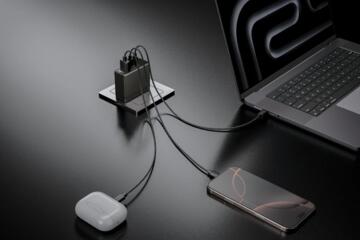
Taking a real break from your phone sounds simple until you try it. Most people check their device around 58–150 times per day, often without noticing the shift. Apple Screen Time reports average daily usage near 4–5 hours for many users, depending on region and age group. This article breaks down what actually happens when you step away, how to make it stick, and why short breaks rarely change anything long-term.
Wellness
19.04.2026
What a Digital Detox Does for Your Attention
A digital detox changes how attention behaves under constant input. Phones, feeds, and notifications compete for focus across roughly 4–5 hours of daily screen engagement for many adults, according to multiple usage surveys. Stepping away from that loop alters memory, patience, and even how quickly thoughts settle. This piece looks at what actually shifts when screens stop interrupting every quiet moment.
Wellness
13.04.2026
What "Good Sleep Hygiene" Actually Means
Good sleep hygiene is less about perfect routines and more about removing friction from the hours before bed. It covers timing, light exposure, temperature, and how the brain winds down after stimulation. Most advice online feels abstract until you connect it to what actually happens at 2 a.m. when sleep refuses to arrive. This article breaks down what changes matter and what people usually misunderstand.
Wellness
11.04.2026
What Mindful Eating Looks Like in Practice
Mindful eating is about breaking automatic habits. It alters how we start meals, how we finish them, and how we pace ourselves between bites. Instead of counting calories or following strict dietary rules, people learn to tune into food textures, actual hunger signals, and natural timing. A recent survey revealed that over 60% of adults eat while distracted on most days. This lack of attention is precisely where unintentional overeating hides.
Wellness
05.04.2026
Why Hydration Affects Your Mood and Focus
Hydration shifts more than thirst. It touches mood swings, attention span, and how quickly the brain locks onto a task. Even mild dehydration around 1–2% body weight loss has been linked in studies from institutions like the University of Connecticut to reduced concentration and slower reaction time. If you work long hours on screens, this shows up earlier than expected - usually as fog, irritability, or sudden mental fatigue.