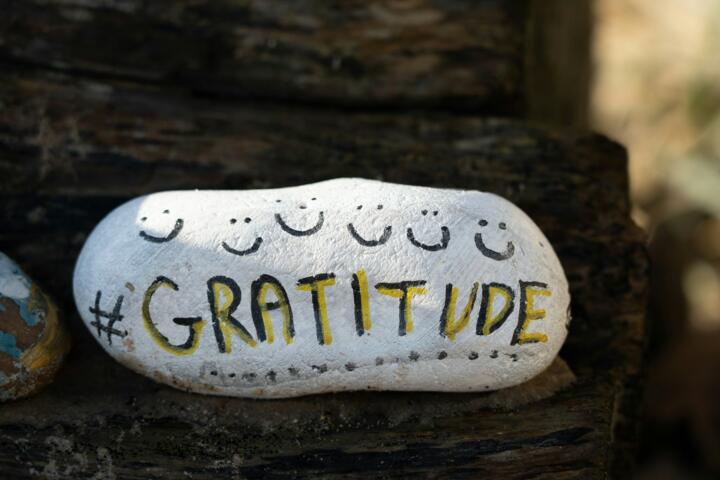
Understanding Gratitude Habits
Starting a gratitude habit means committing to noticing and acknowledging things you appreciate daily. This isn’t about forced positivity but about genuine recognition of moments or people that add meaning to life. For example, journaling three things you’re thankful for each night often sparks a shift in mindset, grounded in evidence. Studies from the University of California in 2019 found that participants who maintained gratitude journals for 21 days reported 25% increases in happiness levels.
A gratitude habit can start simply—like sending a thank-you email after a meeting or appreciating small wins at work. These micro-actions add up.
Gratitude rewires brain activity; scans show improved activity in the prefrontal cortex after weeks of practice, linking to better decision-making and emotional regulation.
Missteps and Their Effects
Many mistake gratitude for superficial optimism. They think listing feel-good items suffices without attention to deeper feelings or acknowledging difficulty. That shallow approach doesn’t change much.
Ignoring the darker or complicated emotions while practicing gratitude may create cognitive dissonance. Real change requires holding space for both pain and appreciation simultaneously.
This oversight often leads people to abandon the habit by week two. Their expectations weren’t met—no instant bliss nor dramatic life improvement. Instead, frustration emerges.
Another gap is inconsistent practice. Emotional shifts need continuity; missing days resets momentum. In workplaces, employees who only sporadically reflect on gratitude show limited improvements in engagement or teamwork.
Effective Approaches
Daily Journaling Rituals
Write three specific items you’re grateful for every evening. This sharpens focus on details like ""my coworker’s advice on March 10 helped me solve a bug."" Specificity enhances the neurological reward cycle tied to gratitude.
Verbal Appreciation in Relationships
Express thanks directly to others, such as ""Your feedback yesterday improved the report"". This boosts relationship satisfaction—the Journal of Social Psychology noted a 30% increase in positive interactions from weekly gratitude exchanges over 6 weeks.
Visual Gratitude Reminders
Post sticky notes with gratitude prompts in visible spots at home or office. Tools like the app ""Grateful Daily"" version 4.2 use notifications and journaling combined to nudge users toward consistency, showing engagement increases around 45%.
Mindful Reflection During Stress
Training to pause and seek things to appreciate even amid stress reshapes responses to adversity. Military resilience programs incorporate gratitude elements to reduce PTSD symptoms, tracking symptom reduction up to 15% over three months.
Gratitude Letter Writing
Writing detailed letters to people who impacted you positively encourages emotional release and connection. Harvard found that patients who wrote gratitude letters once a week reported fewer doctor visits the following quarter.
Group Gratitude Sharing
Regular team meetings including gratitude check-ins decrease conflict and improve morale. A 2021 Gallup poll highlighted 62% of employees felt more connected when leaders openly expressed gratitude.
Nature Appreciation Breaks
Integrate short outdoor breaks to notice natural beauty, amplifying gratitude’s physiological effects by lowering cortisol levels by up to 23% during a 15-minute walk, according to a 2020 Helsinki study.
Tracking Gratitude Patterns
Using spreadsheets or apps to chart gratitude entries over weeks reveals trends and aids commitment. Seeing growth visually motivates continued practice.
Committing to Time Frames
Set a minimum timeframe (e.g., 90 days) to reasonably test impact before reassessing the habit’s role. Habit science suggests 66 days for behavior stabilization, though this varies.
Real-Life Stories
A small tech startup in Denver found communication bottlenecks among teams hurting morale. Introducing daily five-minute gratitude rounds each morning raised reported team cohesion scores by 40% in six months, reducing turnover by 10%.
Maria, a freelance designer, started gratitude journaling in 2022 aiming to reduce burnout. After three months, her client satisfaction ratings improved by 20%, attributing this to increased patience and attentiveness cultivated by the habit.
Checklist to Build the Habit
| Step | Action | Frequency | Tool/Method |
|---|---|---|---|
| 1 | Write 3 gratitude notes | Daily | Notebook, App (e.g., Grateful Daily) |
| 2 | Express thanks to someone | Weekly | Email, Call, In-person |
| 3 | Nature observation break | 3x/week | Outdoor walk, Park visit |
| 4 | Track habit progress | Weekly | Spreadsheet, App |
| 5 | Write gratitude letter | Monthly | Paper, Email |
Avoiding Common Pitfalls
Don’t treat gratitude like a checklist. The habit weakens if mechanical, without genuine emotional engagement. Avoid skipping more than two days; the brain forgets the pattern fast.
Resist comparing your gratitude list to others'. This kills personal authenticity and motivation. It’s not a competition.
Don’t ignore negative feelings; balance is key. For example: acknowledging frustration at work while appreciating a helpful colleague enhances emotional clarity.
Many quit early—just shy of enough time for measurable benefit. Patience, even in a distracted mind, steadily pays off.
FAQ
How long to see changes?
Most see shifts in mood and focus after 3-4 weeks, but lasting benefits often require maintaining the habit for 2-3 months.
Can gratitude be forced?
No. Forced gratitude feels hollow; the practice works best when feelings arise naturally or are gently encouraged.
What if I forget to practice daily?
Missing occasional days doesn’t ruin progress. Return promptly to build consistency over weeks.
Is gratitude journaling better than verbal thanks?
Both have unique strengths; journaling nurtures internal reflection, verbal thanks strengthens relationships.
Can gratitude help with anxiety?
Yes, gratitude can lower stress hormones and improve emotional regulation, reducing anxiety symptoms over time.
Author's Insight
From personal experience, building a gratitude habit requires discipline and honesty with oneself. Early on, I tried to rush the process, skipping days with justifications—it stalled my progress. Once I accepted the uneven days and focused on specific moments, the change felt more genuine and lasting. Small rituals, like morning gratitude emails to teammates, altered work culture subtly but profoundly.
Summary
Building a gratitude habit shapes cognition, emotions, and social interactions over time. The key lies in specific, genuine actions repeated consistently. Avoid forcing or shallow practices. Start small: journal daily, express thanks, and track progress for at least 60 days. Gratitude becomes a lens that clears cluttered thinking—the view improves gradually and reliably.