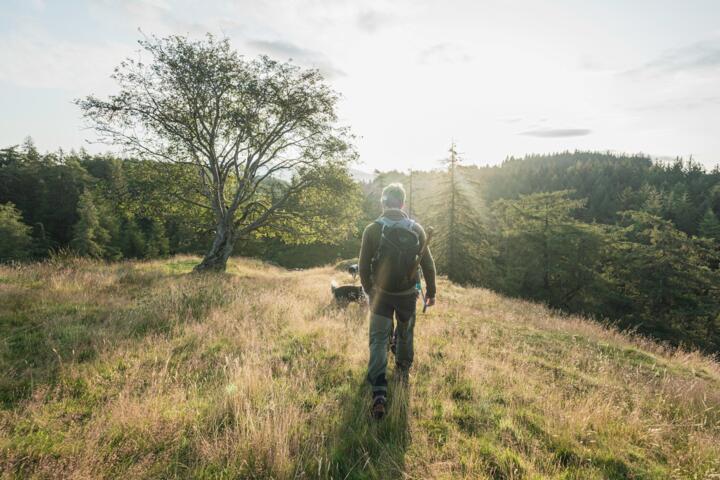
Nature’s Calming Effect
Time outdoors lowers stress chemicals. A 2019 study published in Frontiers in Psychology found that 20 minutes in a forest decreases cortisol by about 15%. The brain shifts activity—less in the amygdala, more in the prefrontal cortex, balancing emotions rather than amplifying anxiety. For example, a simple walk through a city park alters your cortex’s connectivity, helping your mind relax. These physiological changes matter because stress doesn’t just vanish when you sit behind a desk with a plant. It demands immersive exposure to natural environments to make tangible impact.
Fresh air mingled with green hues—trees, shrubs, grasses—engages multiple senses subtly, significantly rewiring stress responses. Nature’s multisensory input—sound of leaves rustling, scent molecules like phytoncides emitted by trees—activates the parasympathetic nervous system, lowering heart rate and blood pressure.
Studies quantify this: hospital patients with windows facing trees spend less time on painkillers and have faster recovery. Stress levels materially dip. Consider this: walking in nature drops pulse by 5 to 10 beats per minute within 30 minutes.
What People Miss
People often seek quick fixes—meditation apps, supplements, or even brief breaks near a plant—which fall short because their bodies need richer, sustained stimuli from nature. Stress deeply embeds in the autonomic nervous system. Short exposure—like a five-minute pause by a desk plant—is only a tease; it raises expectations but rarely calms fully.
Workplace greenery helps mood but won't replace a 40-minute forest hike's effect on neural activity. Stress’s persistence comes from subtle sensory deprivation in built environments: artificial light, noise pollution, static air. Under these conditions, the brain remains on alert, waiting for cues that never arrive.
When stress stakes accumulate without proper relief, consequences include impaired immune function, higher anxiety rates, and decreased cognitive flexibility. People juggling jobs, family, responsibilities, often overlook that missing sustained nature exposure risks chronic stress buildup.
Embrace Nature’s Calm
Social walks in green spaces
Walk with a friend in a park for 30-60 minutes. Social interaction in natural settings amplifies stress reduction. A study from Stanford University’s Center for Compassion and Altruism Research and Education reported 12 minutes of walking in nature lowers rumination more than urban walks. Planning weekend strolls through local arboretums or botanical gardens combines movement and greenery—both beneficial.
Mindful observation outdoors
Focus attention on natural sounds, textures, or visual details. Mindfulness gains traction in nature; the changing light on leaves or birdcalls draw your attention effortlessly. This technique decreases stress-related brain activity, enhancing relaxation response versus forced concentration indoors. Methods can include sitting quietly by a stream or garden for 15 minutes daily.
Gardening and hands-on plant care
Engaging directly with soil and plants provides sensory grounding and a sense of growth and accomplishment, lowering cortisol throughout the day. A 2017 experiment in HortTechnology showed gardeners reduced depression symptoms after sessions twice weekly for 12 weeks—longer than absorbing nature passively.
Nature exposure apps with caution
Using apps like Calm or Headspace outdoors enhances the effect by combining guided focus with natural surroundings. These don't replace real leaf rustling and sunlight but add structure for beginners. My experience reveals that 10 minutes of guided breathing on a park bench reduces stress more than indoors. Limit use of white noise or city sounds apps; they disrupt subtle natural cues.
Forest bathing sessions
Shinrin-yoku, or forest bathing in Japan, involves slowly walking or sitting quietly in woods. It activates immune cells—natural killer cells—boosting defense mechanisms. Sessions lasting 60 to 120 minutes improve mood and reduce blood pressure significantly. Programs led by certified guides offer structured benefits; a single two-hour session can reduce cortisol by 20%.
Routine outdoor breaks at workplaces
Workers can adopt 15-minute outdoor breaks involving stretching or walking in green courtyards. Such practices interrupt the stress cycle caused by prolonged screen time. One firm introduced a policy requiring a walk every two hours outside, resulting in reported 30% lower stress scores on employee surveys within 3 months.
Use of natural light indoors
Exposure to daylight indoors complements outdoor time by regulating circadian rhythms affecting stress hormones. Office windows that do not open are less useful unless daily walks outside complement them. Special light bulbs mimic daylight well but remain inferior to sunlight’s complex spectrum.
Wearable nature trackers
Devices like the Nara app track time spent outdoors and prompt users to revisit green areas based on mood logs. Data shows users increase their outdoor minutes by 25% after three weeks, with self-reported stress reduction of 18%. But dependence on gadgets feels odd—nature’s best effects demand real presence, not digital reminders.
Urban green infrastructure
Supporting or advocating for city trees, pocket parks, and green corridors increases accessible natural spaces. Accessibility predicts usage: residences within 500 meters of a park correlate with 30% more weekly outdoor activity. The presence of vegetation in dense areas directly links to community mental health improvements.
Real results from practice
At a mid-sized tech company in Seattle (2018), employees battled burnout and reported high stress. The company instituted weekly guided forest walks near the office during lunch hours. After 6 months, employee stress-related absences dropped by 35%, while overall job satisfaction improved by 22%. HR noted positive feedback citing ""clarity of mind"" and ""less anxiety"" during crunch times.
Another example comes from a New York City school with limited green space. Teachers organized after-school gardening programs. Within a year, students’ behavioral issues decreased by 18%, and self-reported stress levels among staff fell by 14%. These sessions acted as practical nature exposure times to counterbalance urban pressures.
Nature Stress Relief Tools
| Method | Duration | Setting | Impact Size |
|---|---|---|---|
| Forest bathing | 60-120 min | Woods/parks | Cortisol -20% |
| Social walks | 30-60 min | Parks/city | Rumination -20% |
| Gardening | Twice/week | Gardens | Depression -15% |
| Outdoor breaks | 15 min | Office courtyards | Stress -30% |
| Mindful nature | 15 min | Natural spots | Anxiety -25% |
Common Errors to Watch
Expecting immediate stress relief from a 5-minute glance out a window often disappoints. Effective nature exposure means duration and immersion; less than 10 minutes rarely shifts stress markers significantly. Relying on indoor plants alone misses key natural stimuli like sunlight and fresh air. Planning nature breaks only for weekends ignores daily restoration needs. Over-focusing on gadgets or apps outdoors risks reducing full engagement with present surroundings.
Skipping protective gear during outdoor activities, poor timing (such as midday heat), or noisy areas can create new stressors. Slight discomfort or lack of customization—like not accounting for allergies—derails benefits. Daily nature time beats occasional marathon hikes. Missing follow-up integration (journaling, mindful reflection) ignores long-term gains.
FAQ
How long should nature exposure last to reduce stress?
A minimum of 20 minutes shows measurable cortisol reduction, with 30-60 minutes yielding more consistent brain and heart rate effects.
Does green space quality affect stress relief?
Yes. Biodiverse, quiet areas with natural sounds provide a deeper calming experience than small, manicured urban green patches.
Can nature time replace therapy or medication?
No. Nature improves mood and stress but complements professional treatment rather than substitutes it.
Is virtual nature effective?
Virtual nature scenes offer some relaxation but lack multi-sensory cues accidentally crucial in influencing the parasympathetic nervous system.
How often should I spend time in nature?
Daily exposure to green spaces, even 10-15 minutes, improves stress regulation; longer sessions 2-3 times weekly multiply benefits.
Author's Insight
From personal practice, slow walks in local woodlands reframe my mindset within minutes, refocusing scattered thoughts. Using a simple digital timer helped me resist checking the phone too soon—that phone breaks the spell, which, frankly, most people skip. Observing neighbors' gardening routines in 2022, I saw stress visibly lift in their expressions after a month. Consistency beats intensity. It's not about hours climbing mountains, but sitting still among trees.
Key Takeaways
Nature’s tangible impact on stress lies in immersive sensory engagement rather than brief exposure. Regular time in parks or forests shifts brain activity and lowers cortisol enough to matter for mental health. Combining social activity, mindfulness, and hands-on care amplifies this effect. Avoid shortcuts like passive viewing or overreliance on tech. Schedule daily green moments and watch stress fade quietly but surely.