Learning Open Banking
Open banking involves banks sharing your financial data with approved third parties through secure application programming interfaces (APIs). It allows you to connect your bank accounts to apps beyond your bank’s own interface. For example, services like Mint or Yolt pull your account transactions to offer budgeting tools or better loan offers.
Since 2018, the European Union’s PSD2 regulation mandated open banking across member countries, leading banks such as Barclays and ING to expose APIs on demand. Over 50 million consumers utilize open banking across the UK alone, giving a practical sense of scale for account holders.
The concept requires precise consent protocols: you choose which data to share, and when. You keep control, but your bank serves as a data gatekeeper, authenticating your requests. It’s not just about convenience; it’s about transforming your account data into actionable insights through external apps.
Real examples include real-time payment initiation and aggregated balance views, both of which traditional online banking rarely supports seamlessly.
Common Misunderstandings
A frequent mistake assumes open banking means handing over full control of your accounts. It doesn’t. Your money stays at your bank; external services only read data or initiate specific payments with your explicit approval.
Some imagine open banking as a universal solution for all finance tasks. It covers certain banks and account types, but many smaller banks and countries lag in API availability or compliance, limiting practical use.
Ignoring the varying security standards between providers causes issues. Not all third parties meet the rigorous security conditions set by regulators, so choosing a trustworthy app is vital.
Improperly understanding consent duration also causes trouble. Some apps request continuous data access, which may increase security risks if forgotten or no longer needed.
These misunderstandings delay consumers from benefiting fully and increase vulnerability to scams or data misuse in weaker apps.
Practices for Open Banking
Choose Approved Providers
Select services registered with regulatory bodies like the Financial Conduct Authority (FCA) in the UK or equivalent elsewhere. For instance, Plaid, TrueLayer, and Tink are widely recognized; they undergo periodic audits. Using approved providers reduces the chance of data mishandling.
Review Permission Scopes Carefully
Check what specific data the third party wants. Some apps ask to read full transaction history, others only balance info. Opt for the minimum data needed to achieve your purpose. For example, a budgeting tool might only require monthly transactions rather than daily details.
Use Banks’ Native APIs Where Possible
Many major banks expose native APIs to their customers. HSBC’s Connected Money app accesses multiple HSBC accounts internally, without routing through third parties. Using these native solutions minimizes exposure to external risks.
Monitor Account Activity Regularly
Stay vigilant. Open banking sometimes allows payment initiation by third parties. Watch statements for unfamiliar debits and revoke app permissions as soon as they’re no longer used. Some banks offer tools to revoke access via their online portals.
Secure Your Authentication Methods
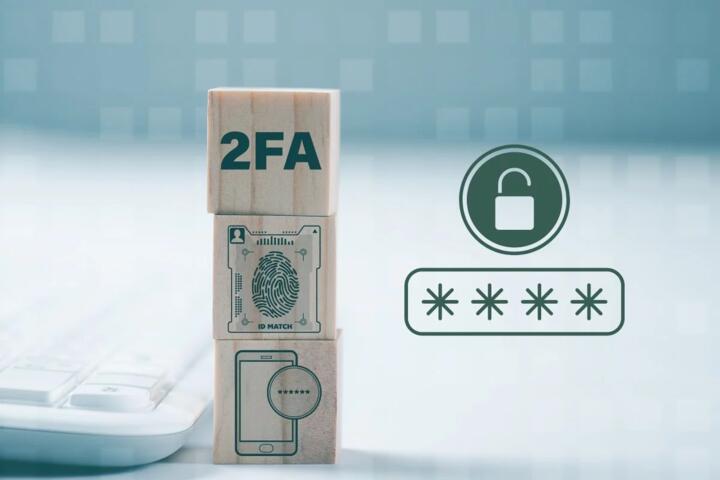
Strong multifactor authentication (MFA) for your bank login is not optional. Most banks require MFA for API access too, often involving biometrics or hardware tokens. Protecting your login makes unauthorized data access significantly harder.
Understand Data Storage Policies
Confirm how third parties store your financial data. Some keep data temporarily for processing; others store it long-term. Prefer apps that keep information encrypted and for limited periods to reduce breach risks. Services like Yodlee disclose data retention policies clearly.
Test New Apps with Low-Risk Accounts
Try connecting open banking apps first to accounts with limited funds or that aren’t your primary checking. That way, any mistakes or data leaks hit minimal damage. I always test a new service on a secondary account before wider usage (since 2021).
Track Regulatory Updates
Regulations evolve. Set alerts for changes in PSD2 or local open banking laws. For instance, the UK plans new open banking standards for richer data sets in 2024, which may affect your accounts. Staying informed means adapting permissions before issues arise.
Combine with Strong Financial Tools
Open banking complements financial planning software like Money Dashboard or Emma, which pull data automatically to forecast budgets or spot potential savings. Users report up to 20% better saving habits when relying on such insights.
Open Banking in Action
A medium-sized UK retailer faced repetitive bank reconciliation issues with multiple payment processors. By adopting an open banking platform linked to their accounts, they automated transaction matching and cut manual errors by 75%. They chose TrueLayer’s API integration during a pilot in late 2022.
A freelance consultant struggled with budget tracking. Linking their primary account to Emma in early 2023, the app aggregated all expenses and highlighted irregular payments. The consultant saved approximately £150 monthly by unsubscribing from unused services detected through open banking data.
Checklist for Account Safety
| Check | Why | What to Do | Tools |
|---|---|---|---|
| Provider Status | Security and compliance | Verify FCA/App registry | FCA website, Open Banking Directory |
| Data Scope | Minimize exposure | Grant minimum permissions | App settings |
| Auth Method | Prevent hacking | Use MFA and biometrics | Bank app, Authenticator apps |
| Permission Duration | Limit risk window | Review and revoke regularly | Bank online portal |
| Data Storage | Data breach risk | Check retention policy | App privacy docs |
Frequent Errors to Dodge
Granting all-encompassing access rights to apps blindly is a top error. Instead, scrutinize the data requested and reject unrelated permissions. Excessive access exponentially raises your attack surface.
Using open banking apps without vetting their regulatory standing invites potential scams. Many fake apps appear, mimicking popular brands. Always cross-check app developer names and user reviews externally.
Failing to revoke permissions after stopping service creates lingering security openings. Most banks let you see active third-party connections; audit these quarterly.
Assuming open banking APIs behave exactly like regular online banking can mislead you. Many APIs limit historical data or monthly calls—don’t rely on instant full access (version 2.3 of the Yolt API showed this recently).
Ignoring notification settings for payment initiation leads to surprise charges. Set alerts for all API-initiated transactions or switch off that permission if unnecessary.
FAQ
Can open banking access my full account?
No, it accesses only what you permit, usually transaction data or balance info. Your money remains fully controlled via your bank.
Is open banking safe?
It is regulated with strict security standards, but safety depends on choosing reputable providers and managing permissions carefully.
Do all banks support open banking?
Not all banks fully support it yet. Major banks in many countries do, but some smaller or regional banks lag behind.
Can third parties initiate payments?
Yes, but only with your explicit consent each time or by prior authorization. You can revoke this anytime.
Does open banking work internationally?
It depends. Regulations and API availability differ widely by country; cross-border open banking is limited currently.
Author's Insight
From my experience integrating open banking solutions since 2019, the biggest hurdle is educating users about consent and security boundaries. The tech is mature—compliance and API quality have improved drastically—but trust needs building. Always encourage starting with low-risk connections and monitoring activity closely; it’s surprising how many skip the basic permission audit, which, frankly, most people skip. Once you master that, open banking tools can be remarkably effective for expense tracking and payment management.
Final Thoughts
Open banking reshapes account management by connecting your financial data with third-party services under strict consent and security rules. Avoid handing out excessive permissions and choose providers recognized by regulators. Regular permission reviews protect your accounts from misuse. Test apps on less critical accounts first. Steady vigilance about third-party access will help you tap open banking’s potential while keeping risks low.