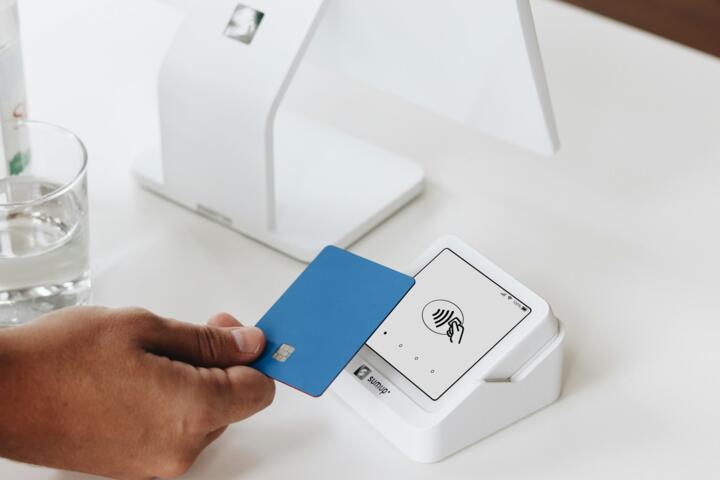
Digital Wallet Safety
Digital wallets changed how cards move through the payment system. Instead of sending a real card number, systems like Apple Pay and Google Pay generate a token that stands in for your details during checkout. Visa and Mastercard run tokenization networks that replace sensitive data with randomized identifiers that are useless outside a transaction chain.
In 2024, mobile wallet transactions passed 10 trillion dollars globally, according to industry estimates from major payment processors. That scale changed the target surface. Attackers stopped chasing point-of-sale terminals as aggressively and moved toward phones, cloud accounts, and email resets instead.
Most people think the wallet is the weak point. It rarely is.
Security now depends on device-level protection. Face ID, fingerprint unlock, and passcodes form the first barrier. Without them, tokenization loses half its value.
Skip weak screen locks. They fail fast.
Wallets also reduce exposure during checkout. A merchant never sees your actual card number in most modern transactions. That detail alone cuts fraud risk significantly compared with magnetic stripe payments.
Still, nothing is invisible...
Where Risks Show Up
Digital wallets compress risk rather than remove it. The weak points move to authentication layers, account recovery systems, and connected apps.
Phishing remains the most common entry point. A fake bank alert or delivery notice can push users to enter Apple ID or Google credentials into cloned login pages. Once attackers gain access to that account, they can re-add cards or trigger purchases through saved payment methods.
In 2023, the FBI Internet Crime Report recorded over 2.6 billion dollars in losses tied to phishing and identity fraud. Wallet-linked accounts sit inside that broader category.
Inverted truth hits here. The strongest encryption does not matter if login credentials leak.
Public Wi-Fi creates another opening. Payment apps often rely on background authentication calls. If a network is compromised, session hijacking becomes possible under specific conditions, especially on unsecured devices.
One account breach spreads fast.
Device theft adds another layer. A phone without a lock screen or with predictable passcodes can expose stored cards within minutes. Criminals do not need the physical card anymore. The phone is enough...
Practical Protection Steps
Lock the device properly
Strong authentication is the baseline. Face ID, fingerprint recognition, or a long alphanumeric passcode changes the attack cost dramatically. A 4-digit PIN can be guessed in under 10,000 combinations. That is not enough.
Apple and Google both bind wallet access to device authentication by default. Keep it enabled. Do not downgrade for convenience.
Security starts here.
Disable unused cards
Digital wallets often accumulate old cards. Expired debit cards, store credit cards, or one-time travel cards remain stored long after use. Each extra entry increases exposure if the account is compromised.
Removing unused cards reduces attack surface without affecting daily payments. Most wallets allow removal in under 30 seconds per card.
Less is safer.
Watch account alerts
Push notifications from banks are not decoration. They are early detection tools. A $2 charge at an unfamiliar merchant is often the first sign of compromise.
Set alerts for every transaction above a low threshold, such as 1 euro or 1 dollar. Catching fraud early limits downstream damage, especially before card networks escalate disputes.
Timing matters.
Separate primary accounts
Linking a main salary account directly to a wallet increases exposure. A better setup uses a secondary account with limited funds for daily spending. Even if compromised, the impact stays contained.
Many European banks now support instant transfers between sub-accounts. Moving money takes seconds, not hours.
Containment beats recovery.
Avoid credential reuse
Email accounts linked to Apple Pay or Google Pay should never share passwords with shopping sites or social media logins. Credential reuse turns one breach into multiple entry points.
Password managers like 1Password or Bitwarden reduce repetition errors. They also flag reused passwords during security audits.
Repetition breaks systems.
Update devices regularly
Security patches often target payment-related vulnerabilities. Delaying updates leaves known exploits open longer than necessary.
iOS and Android updates increasingly include payment stack fixes tied to NFC and token handling. Install them quickly rather than deferring for weeks.
Updates close gaps.
Real World Cases
One major case involved a wave of phishing attacks targeting Apple ID users in 2022. Victims received messages claiming “suspicious activity” and were redirected to fake login portals. Once credentials were captured, attackers added stolen cards to mobile wallets and used them for contactless purchases under 50 euros per transaction to avoid flags.
Another case came from a compromised merchant database in Southeast Asia. Although tokenization protected actual card numbers, attackers used stolen session tokens tied to poorly secured apps. Fraud losses exceeded 40 million dollars before detection systems caught the pattern.
In both cases, encryption held. Human behavior did not.
That pattern repeats often.
Financial institutions like Revolut and N26 now actively monitor device fingerprint changes and login anomalies. If a wallet suddenly appears on a new device in a different country, transactions may be blocked automatically until verification completes.
Methods Compared
| Method | Risk Level | Speed | Notes |
|---|---|---|---|
| Plastic Card | Medium | Fast | Skimming risk |
| Digital Wallet | Lower | Very Fast | Tokenized data |
| Saved Browser | Higher | Fast | Phishing prone |
Common Mistakes
People assume digital wallets are self-protecting. That assumption causes the most damage. Security still depends on behavior.
One mistake is ignoring old devices. Tablets or backup phones with logged-in wallets often sit unused for months. If stolen, they still provide access paths.
Another issue is weak recovery email security. Wallets often rely on email resets. If email is compromised, everything downstream collapses.
Skip browser autofill for cards.
Autofill stores card details in environments more exposed to extensions and scripts than mobile wallets. That creates unnecessary duplication of risk.
People also underestimate SIM swap attacks. Attackers convince carriers to transfer phone numbers to new SIM cards, intercepting verification codes used in payment authentication systems.
That method still works more often than it should.
FAQ
Are digital wallets safer than physical cards?
Yes in most cases. Tokenization hides real card numbers during transactions. However, account security depends on device locks and login protection, which remain vulnerable to phishing and theft.
Can someone steal my card from Apple Pay?
Not directly. Apple Pay does not store usable card numbers on the device or servers. Fraud usually happens through compromised Apple IDs or stolen devices without proper authentication.
What happens if my phone is stolen?
If the device is locked, wallets remain protected by biometric or passcode authentication. Users can also remotely suspend or erase devices through Apple or Google account services.
Do banks refund digital wallet fraud?
Most regulated banks in Europe and the US reimburse unauthorized transactions if reported quickly. Time limits vary, often between 24 hours and 60 days depending on policy.
Is public Wi-Fi dangerous for payments?
Risk exists mainly during login or account recovery actions. Encrypted wallet transactions are less exposed, but compromised networks can still target credentials or session data.
Author's Insight
I’ve seen digital payment systems move from physical exposure to identity exposure. The card itself is no longer the target. The account behind it is. That shift changes how protection works in practice.
If I were setting up a wallet today, I would treat login security as the core system, not the payment method. Everything else sits on top of that foundation...
Summary
Digital wallets reduce card exposure through tokenization, but they shift risk toward accounts, devices, and human behavior. Strong device locks, clean account management, and alert monitoring prevent most common fraud patterns.
Keep the wallet simple. Keep credentials unique. And treat every login point as the real security boundary.