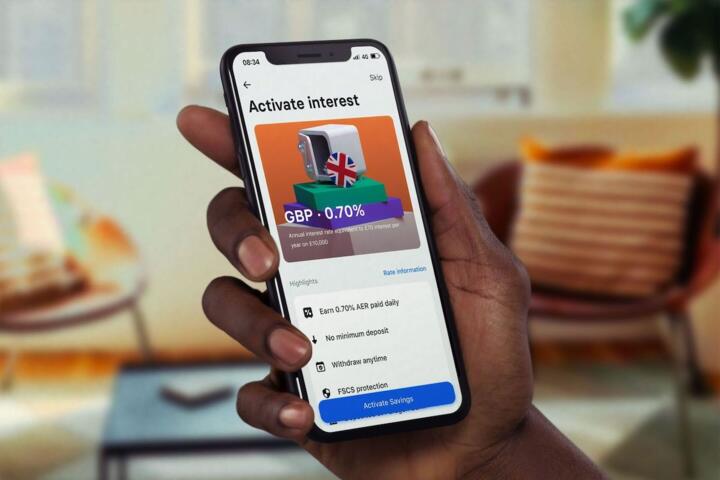
How Money Flows Inside Apps
Digital banks replaced physical infrastructure with software pipelines. Every card payment triggers a chain: merchant, card network, issuing bank, and processor. Each step takes a fraction. Interchange fees usually sit between 0.2% and 1.5% per transaction depending on region and card type.
That small slice becomes the backbone of revenue. A user buying groceries for $120 might generate $1.20 for the issuing bank. Multiply that by millions of daily transactions and the model stops looking small.
Skip the branch network. It drains capital.
Digital banks like Chime and Monzo scale by volume, not physical presence. The cost of serving one more customer is close to zero compared to traditional banks that maintain buildings, staff, and regional offices.
That difference changes everything.
But interchange alone rarely pays for growth. Marketing, compliance, and fraud systems still cost millions monthly. So other revenue layers sit underneath the app experience, quietly stacked.
Hidden Revenue Layers
Most users assume “free banking” means no revenue. That assumption misses the structure entirely. Digital banks build layered monetization systems instead of visible fees.
Some charge subscription upgrades. Others take FX spreads. Some lend money directly. A few do all three at once.
Skip the idea of free banking. The bill moves elsewhere.
The model works because users do not experience one fee — they experience many micro-decisions that replace it.
Each decision carries frictionless monetization embedded inside it.
And that’s the point.
Revenue Mechanics
Interchange Fees
Every card swipe triggers interchange revenue. Visa and Mastercard route payments, while issuing banks receive a cut. Digital banks like Revolut rely heavily on this flow in early-stage markets.
A user making 40 transactions per month can generate several dollars in passive revenue. Scale that to 10 million users and the numbers shift into operational funding territory.
Volume beats margins here.
Premium Subscriptions
Free tiers attract users. Paid tiers extract stability. N26 and Revolut both run subscription upgrades ranging from $3 to $15 per month depending on features like travel insurance, higher FX limits, or cashback boosts.
Only a minority upgrades, often between 5% and 15% of users. That small group subsidizes broader access.
Simple math hides complex retention design.
Foreign Exchange Spreads
Currency conversion looks neutral on screen. It rarely is. Digital banks apply spreads between mid-market rates and customer rates, typically 0.5% to 2% depending on plan level.
Wise built its reputation on transparency here, but even it charges explicit conversion fees instead of hidden spreads.
Travel spending becomes a revenue engine.
Lending Products
Credit lines, overdrafts, and installment loans generate higher margins than payments. Interest rates can range from 6% to 29% annually depending on risk profile and region.
Chime offers small advances, while larger fintech lenders partner with banks behind the scenes. Risk scoring systems decide pricing in milliseconds.
Borrowing becomes productized behavior.
Partner Ecosystems
Digital banks increasingly act as distribution platforms. Insurance, crypto access, savings tools, and investment products appear inside apps through partnerships.
Each referral or conversion generates commission revenue. Sometimes it’s a fixed fee. Sometimes it’s a revenue share model.
Skip owning everything. Let partners carry weight.
Data Infrastructure Services
Some fintech firms monetize anonymized transaction insights and API access. Aggregated spending data helps merchants, lenders, and advertisers refine targeting models.
This does not mean personal data is sold directly. It means patterns become products.
Subtle, but powerful.
Real Platform Examples
Revolut built early growth on FX fees and later expanded into subscriptions and trading services. In 2023, the company reported revenue growth above 70% year-over-year, driven heavily by premium plans and increased card usage.
Chime relies on interchange fees and partner banking relationships. Its model avoids overdraft charges, replacing them with high transaction volume economics and optional credit products.
Monzo blends subscriptions with lending and business accounts, gradually reducing reliance on interchange alone.
Different paths. Same structure underneath.
Every platform eventually shifts toward multiple income streams instead of one.
Revenue Model Snapshot
| Model | Source | Range | Example |
|---|---|---|---|
| Interchange | Card swipes | 0.2%-1.5% | Chime |
| Subscriptions | Premium plans | $3-$15/mo | Revolut |
| FX Spread | Currency swap | 0.5%-2% | Wise |
| Lending | Credit products | 6%-29% APR | N26 |
Common Mistakes
Users often assume digital banks operate without profit pressure. That assumption leads to confusion when features change or limits appear.
One mistake is ignoring subscription tiers. Free accounts often limit FX conversions, withdrawals, or cashback. Those limits are not random — they guide users toward paid plans.
Another mistake is underestimating lending exposure. Small cash advances seem harmless until repayment cycles stack across months.
Interest compounds quietly.
People also overlook how transaction volume shapes pricing models. The more a user spends, the more valuable they become to the platform, even without fees.
That incentive shapes product design in subtle ways.
FAQ
How do digital banks make profit without branches?
They earn through interchange fees, subscriptions, FX spreads, lending interest, and partner commissions instead of physical branch revenue.
Are digital banks really free?
Basic accounts often have no monthly fee, but revenue comes from transaction-based models and optional paid features.
Why do fintech apps offer premium plans?
Premium tiers stabilize income and cover users who generate low interchange activity while paying for added features.
Do digital banks lend money directly?
Some do, while others partner with licensed banks or credit providers to offer loans and advances.
Is my data sold by digital banks?
Personal data is not directly sold in standard banking operations, though aggregated insights may be used for analytics and partnerships.
Author's Insight
I have seen digital banking shift from simple “fee-free apps” into layered financial ecosystems. The early story focused on removing friction. The current story focuses on replacing old revenue with distributed micro-streams.
If I were evaluating these platforms today, I would look less at branding and more at revenue mix. A bank leaning too heavily on one stream tends to change pricing faster when conditions shift.
Nothing here runs without trade-offs.
Summary
Digital banks earn money through layered systems built around payments, subscriptions, currency exchange, lending, and partnerships. The absence of branches does not mean the absence of revenue — it means revenue is embedded inside usage patterns instead of visible fees.
Understanding these flows helps explain why “free banking” still produces profitable companies. The cost moves quietly, transaction by transaction.