Where Money Sits
Money inside fintech apps rarely stays inside the app itself. It moves. Often more than once per transaction. A payment you send at 2 p.m. might pass through two banking partners before it reaches the receiver.
Some apps rely on FDIC-insured partner banks in the US, like Sutton Bank or Wells Fargo, depending on the product. Others in Europe use e-money institutions regulated under different rules. The structure changes by country, but the pattern stays the same: fintech front-end, bank back-end.
That separation creates speed. It also creates confusion.
Most users don’t notice until something fails. A transfer pauses. A card declines. A payout “is pending.” It looks like a glitch, but it’s usually a settlement step. Not always.
Money feels instant in apps. It isn’t.
Hidden Risks
Fintech accounts look simple on the surface. Tap, send, done. But simplicity hides routing complexity that users never see.
One risk is timing gaps. Funds can appear available while still clearing through a partner bank. If you spend during that window, you may overdraft a linked account or trigger a reversal later.
Another issue is coverage limits. FDIC protection often applies “per partner bank,” not per app. That matters when balances grow. A user spreading $300,000 across one app might assume full coverage. It depends on how custody is split.
Regulators noticed this years ago.
In the US, the FDIC has warned fintech companies about unclear disclosures around pass-through insurance. The structure is legal. The communication is where things get messy.
Then there’s platform dependency. If a fintech freezes accounts during verification checks, users can lose access to payroll, bills, or transfers for days. Five days feels short on paper. It doesn’t feel short when rent is due.
Skip assumptions about ownership. The app is not the vault.
How Apps Hold Cash
FDIC pass-through basics
Some fintech apps use insured banks behind the scenes. When structured correctly, deposits qualify for FDIC insurance up to $250,000 per depositor per bank.
Chime, for example, routes funds through partner banks rather than holding them directly. The protection exists, but only if records match properly between app and bank systems.
If records mismatch, claims get slower. Sometimes much slower.
Partner bank mapping
Every fintech wallet has a banking “map.” One app might split funds across multiple institutions to increase insurance coverage. Another might rely on a single bank for all accounts.
Cash App uses Sutton Bank for its debit card program. PayPal partners with several banks depending on account type and region. The user never sees this mapping directly.
That invisibility is the point. It also hides risk concentration.
Cash sweep systems
Some apps automatically “sweep” idle cash into partner bank accounts overnight. The idea is to generate interest or improve insurance coverage distribution.
Robinhood Cash Management and similar products use this model. Money leaves the app ledger temporarily and reappears the next day in a different holding structure.
One system. Multiple ledgers.
Instant vs settlement
Instant transfers are not always instant behind the scenes. Card networks like Visa and Mastercard settle transactions in batches, not real time.
That gap is where reversals and holds happen. A $50 payment can sit in “authorized” status while the merchant waits for final settlement confirmation.
Skip “instant.” It’s conditional.
Multi-app fragmentation
Many users split money across five or more apps: PayPal for online shopping, Venmo for friends, Cash App for quick transfers, a bank app for salary, and a fintech card for travel.
That fragmentation creates blind spots. A user might have $1,200 total liquidity but only $140 visible in their primary checking dashboard.
Money looks scattered because it is.
Regulatory oversight gaps
Different fintech models fall under different regulators. Some are supervised like banks. Others operate as money transmitters with lighter oversight.
In Europe, e-money institutions must segregate customer funds. In the US, rules vary by state licensing and partner bank structure. That inconsistency changes user protection depending on geography.
Depends on location. Always.
Real World Cases
In 2023, users of several payment apps reported temporary account freezes during identity verification updates. Funds were not lost, but access was blocked for up to 72 hours in some cases.
That delay created real consequences. Freelancers waiting on payouts missed invoice cycles. Small merchants delayed shipments. One missed payment can cascade into two.
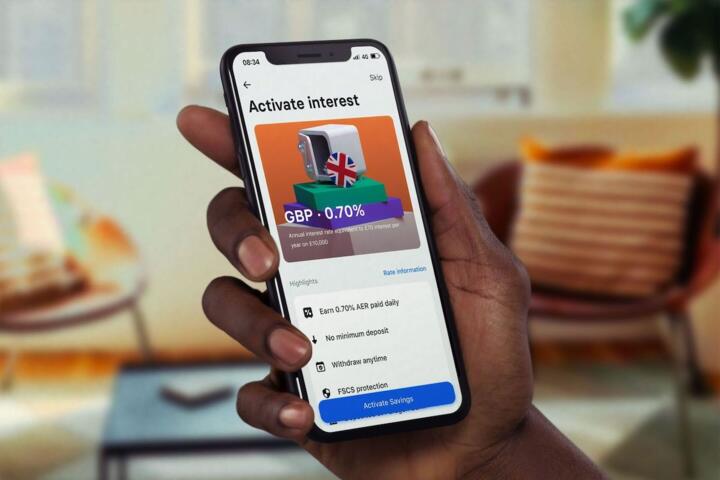
Another case involved high-yield fintech savings accounts linked to partner banks. When interest rates rose sharply in 2024, inflows surged faster than some systems updated internal balances. Users saw delays in interest posting cycles, sometimes by several days.
Timing again.
A different example comes from cross-border apps like Wise. Transfers are fast on the surface, but behind the scenes they often use local bank rails in both countries to reduce fees. That structure lowers cost but introduces routing checkpoints that can pause transfers under compliance review.
Money Flow Table
| Type | Where It Sits | Speed | Risk |
|---|---|---|---|
| Bank App | Direct bank ledger | Moderate | Low |
| Fintech Wallet | Partner bank custody | Fast | Medium |
| Payment App | Mixed ledger | Very fast | Medium |
| Crypto Rail | Blockchain custody | Variable | High |
Common Mistakes
Users often assume all balances are equal across apps. They are not. A PayPal balance does not behave like a checking account balance, even if it looks identical on screen.
Another mistake is treating fintech apps as primary savings storage without checking insurance structure. Some balances are protected through pass-through mechanisms. Others rely on internal reserve policies that change over time.
People also ignore settlement delays during weekends. Transfers initiated Friday evening may not complete until Monday depending on partner bank cycles.
Weekends still exist in finance.
Finally, many users store large sums in one app for convenience. That reduces complexity but increases single-point failure risk. If access is restricted, everything freezes at once.
FAQ
Is my money safe in fintech apps?
It depends on structure. If funds are held in partner bank accounts with FDIC coverage, protection applies up to legal limits. If not, protection may rely on internal safeguards.
Why do transfers sometimes take days?
Because money moves through multiple banking systems. Even “instant” apps rely on settlement cycles behind the interface.
Do fintech apps actually store money?
Most do not store money directly. They hold records of value while real funds sit in partner banks or custodial accounts.
What happens if a fintech company fails?
User funds are usually protected if properly segregated at partner banks. Recovery time depends on how accurately records are maintained between systems.
Can I trust multiple apps at once?
Yes, but only if you understand where each balance is held. Fragmentation increases complexity, not necessarily risk, but it changes visibility.
Author's Insight
I have seen fintech apps evolve from simple payment tools into layered financial systems that behave more like infrastructure than software. The interface got cleaner while the backend got more complex. That contrast creates most of the confusion people run into.
If I had to simplify it, I would treat fintech apps as access points, not storage locations. The money lives somewhere else. The app is just the control panel...
Summary
Fintech apps don’t hold money in one place. They route it through partner banks, custodial systems, and settlement networks that vary by product and country. That structure makes payments faster but less transparent.
Understanding where funds actually sit reduces surprises, delays, and access issues. The key is knowing which layer you are interacting with each time you tap “send.”