Wellness

Trends change fast. We track what’s really catching on in fitness, sleep, nutrition, mental health, and longevity - and what’s backed by evidence vs. just hype.

Latest in Wellness

08 OCT 2026

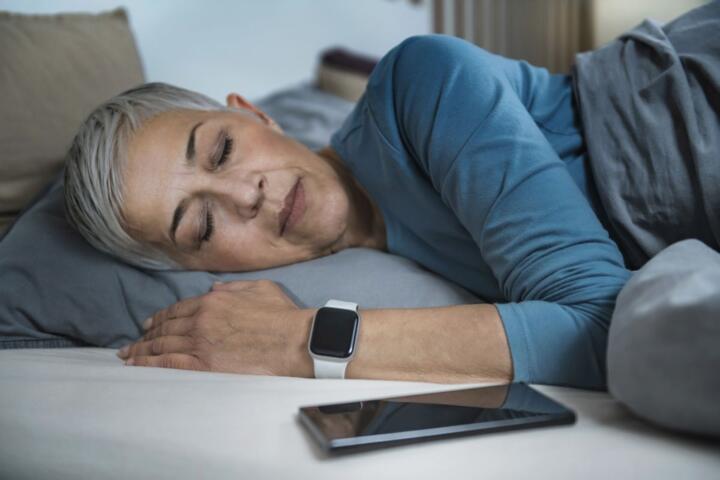
Wearable Sleep Data: Which Metrics Are Reliable?

Wearable devices track sleep stages, breathing, movement, and recovery scores using sensors like accelerometers and pulse oximetry. This guide helps informed readers judge which metrics tend to match reality, which ones drift, and how to test them at home. You’ll learn what “reliable” means for sleep tracking, how to interpret common charts, what to cross-check with symptoms, and when to treat data as a clue rather than evidence.

10 min read

02 OCT 2026

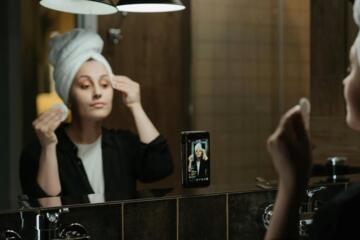
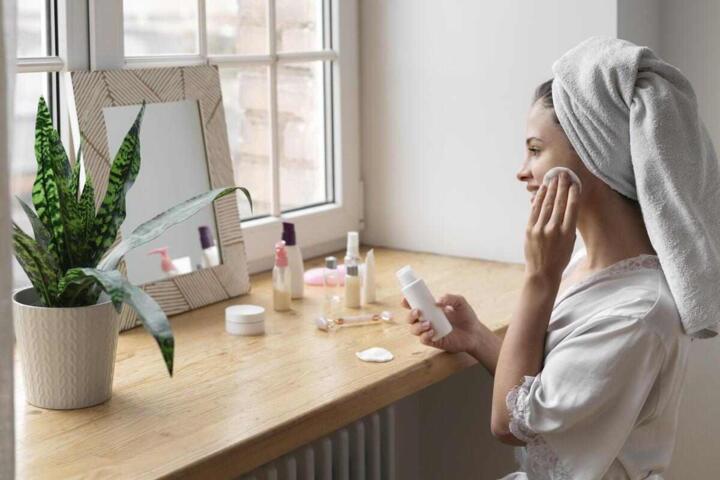
What a Simple, Realistic Self-Care Routine Includes

Self-care routines support sleep, stress management, movement, nutrition, and mental wellbeing through small, repeatable habits. This guide is for people who want a practical plan that fits real schedules and avoids health myths. You’ll learn what a simple routine includes, common mistakes that derail it, and how to choose tools and track progress without turning self-care into another chore. Includes anonymized examples, a decision checklist, and a short FAQ.

10 min read

26 SEP 2026

A Calm-Down Routine for Stressful Moments

Stress spikes can hijack attention, breathing, and decision-making during arguments, deadlines, or health scares. This guide explains a practical calm-down routine for stressful moments, aimed at readers who want reliable, non-dramatic steps they can repeat. You’ll learn what commonly goes wrong, how to choose tools like paced breathing and grounding, and how to test the routine in real situations. Includes examples, a checklist, and a short FAQ.

10 min read

20 SEP 2026

Why Rest Days Matter as Much as Workout Days

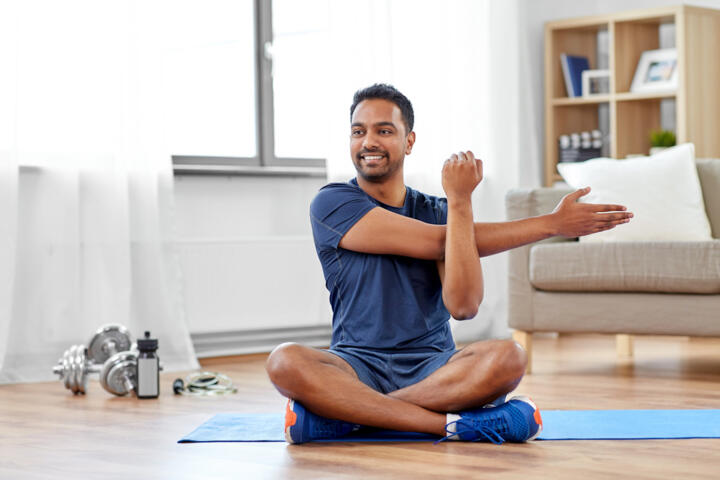
Rest days are part of training, not a break from progress. This guide explains how recovery affects muscle repair, connective tissue adaptation, nervous system fatigue, and injury risk. It’s for people who train for fitness, strength, or endurance and want a practical way to schedule rest. You’ll learn what recovery depends on, how to choose rest versus active recovery, how to track signals, and what mistakes to avoid.

9 min read

14 SEP 2026

Better Sleep in a Noisy Environment

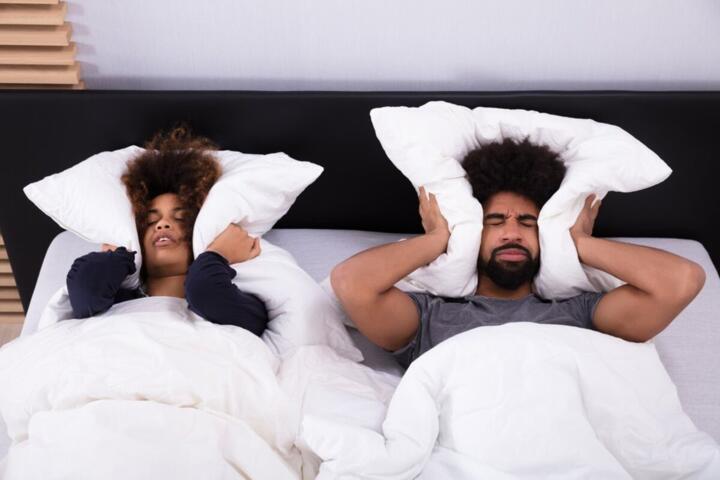
Noise doesn’t just “wake you up”—it can break your sleep into lighter stages, spike stress hormones, and make it harder to fall asleep again. If you’re dealing with traffic outside, a snoring partner, loud neighbors, or early-morning construction, this guide walks you through practical, evidence-based fixes you can actually try. You’ll learn how to measure and track the sound in your room, use timing and routines to your advantage, choose ear protection and white-noise options, and make bedding or layout changes that reduce disruptions. It also covers when it’s worth talking to a clinician, includes realistic scenarios, a simple decision checklist, and the most common mistakes that keep people stuck.

12 min read

08 SEP 2026

What Helps You Focus When Your Mind Keeps Wandering

Mind-wandering can derail study, work, and even simple tasks like reading or driving. This guide is for people who notice their attention slipping and want practical, evidence-based ways to regain control without gimmicks. You’ll learn why wandering happens, what habits and tools tend to worsen it, and how to test focus strategies using measurable checkpoints. Includes realistic scenarios, a decision checklist, and common mistakes to avoid.

9 min read

02 SEP 2026

The Case for Taking Better Lunch Breaks

Lunch breaks affect energy, focus, and long-term health habits through sleep timing, blood-sugar swings, stress recovery, and posture. This guide is for office workers, students, and shift staff who want practical lunch changes without extreme diets. You’ll learn common lunch-break mistakes, how meal timing and light movement interact with fatigue, what to try for 2 weeks, and how to judge results using simple tracking.

9 min read

27 AUG 2026

Why Social Connection Is Part of Staying Healthy

Social connection affects stress, sleep, movement, and health behaviors through measurable pathways: perceived support, reduced loneliness, and shared routines. This guide is for readers who want practical, evidence-based ways to strengthen relationships without relying on vague advice. You’ll learn common misconceptions, what to track in daily life, realistic steps for building connection, and how to avoid harmful “fixes” that can backfire.

9 min read

21 AUG 2026

Making Exercise a Habit You Actually Enjoy

Exercise habits stick when they match your body, schedule, and preferences rather than chasing a perfect plan. This guide is for people who want consistent movement without dread, injury risk, or all-or-nothing thinking. You’ll learn how to choose enjoyable activities, set realistic targets, design a weekly routine, and track progress without obsessing. Practical examples show how to adjust when motivation drops, plus a checklist to compare approaches and avoid common mistakes.

10 min read

15 AUG 2026

Burnout: What It Really Feels Like, and How to Catch It Early

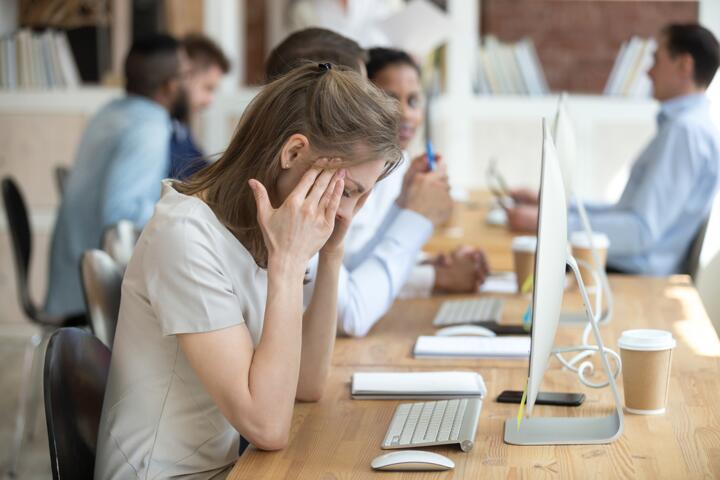
Burnout is more than feeling tired: it is a work-and-life stress pattern that can affect mood, sleep, focus, and physical health. This guide helps readers recognize early warning signs, understand common misreads, and track patterns using practical tools. You’ll learn what burnout can feel like, which supporting factors matter, and what to do in the first weeks when symptoms start. It also includes realistic scenarios, a decision checklist, and a short FAQ for next steps.

10 min read