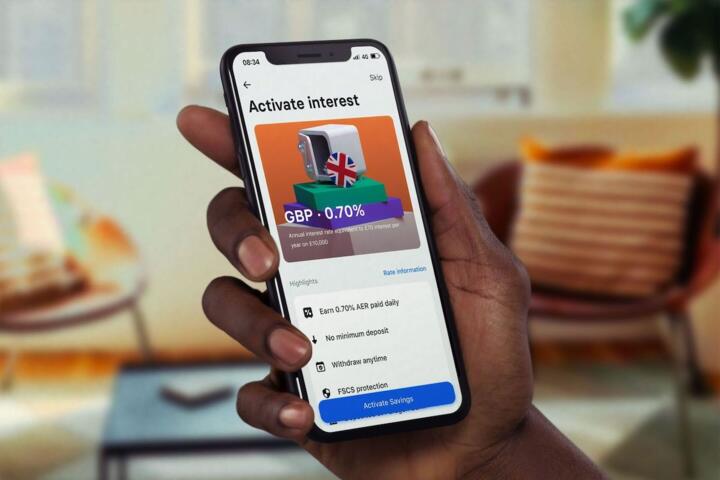
Savings Vaults: What They Are
A “savings vault” is a feature in a fintech app that separates your money into a dedicated bucket tied to a goal, a schedule, or a rule set. The money may sit in a deposit account at a partner bank, in a money market fund, or in another custody structure, depending on the provider. The vault label changes the user experience, while the legal and operational structure determines where your money actually lives.
In practice, a vault often comes with constraints such as limited transfers, a waiting period before withdrawals, or a rule that routes deposits into the vault automatically. For example, an app might let you set a “rent vault” that receives $200 each payday and blocks withdrawals until the next billing date. Some providers also show a projected interest amount, but the projection depends on the underlying product and the provider’s interest-sharing terms.
On the regulatory side, many vaults are marketed as savings tools, yet they may be structured as bank deposits (subject to deposit insurance) or as investments (subject to securities rules). That distinction matters for loss risk, withdrawal timing, and how claims work if a partner fails. A version number I once saw in a fintech app release notes (v3.18.0, dated 2024-02-06) reminded me that vault behavior can change after launch, so readers should re-check the terms after updates.
Common Pain Points And Misreads
People often treat a vault as a guarantee of safety or a guarantee of liquidity because the interface looks like a locked box. The lock is usually a user-experience control, not a legal guarantee. If the vault is backed by a bank deposit, deposit insurance rules may apply; if it is backed by a money market fund, insurance does not apply the same way, and the fund’s value can fluctuate.
Another frequent misread involves interest. Vaults may show an annual percentage yield (APY) that changes with market rates, provider pricing, or the underlying product’s yield. Some apps pay interest directly to the user; others may share revenue with the partner bank and still display a single blended APY. When the app changes the APY, the vault’s “goal” may remain, but the economics shift.
Withdrawal friction is also misunderstood. A vault can restrict transfers out, yet still allow withdrawals through a separate “cash out” flow. That flow can take time because money must settle in the underlying account, especially if the vault uses investment vehicles. Settlement timing varies by provider and funding method, and it rarely matches the instant feel of moving money inside the app.
Supporting technologies include the payment rails used for deposits and withdrawals, the partner bank’s core banking system, and the fintech’s ledger that tracks vault balances. The fintech ledger is not the same thing as the underlying account balance at the bank or fund. When users see “vault balance” and “available balance” differ, the gap often reflects pending transfers, holds, or internal accounting.
How To Evaluate A Vault
Verify The Legal Backing
Start with the disclosures that describe where the money is held. Look for whether the vault is a bank deposit at a named FDIC-insured institution, a sweep into a money market fund, or a custody arrangement. If it is a deposit, check whether the provider states FDIC coverage limits and how they handle multiple accounts. If it is an investment, check whether the product is a fund and whether the app describes risks such as market price changes.
Practical outcome: you can predict the loss-risk category before you fund the vault. If the disclosure is vague or hides the partner institution name until after you deposit, treat that as a decision blocker.
Model Fees And Interest Changes
Read the fee schedule for the vault feature itself and for related services like transfers, instant withdrawals, or account closure. Some providers charge for expedited cash-out or for certain funding methods. Also check whether the displayed APY is net of fees or gross of fees, since the app may show a headline yield that later changes.
Practical outcome: you can estimate a realistic monthly interest range by using the APY and assuming it changes. For example, if a vault shows 4.50% APY and you deposit $1,000, the rough monthly interest is about $3.75 before taxes, but the actual figure can differ if the APY changes mid-month or if interest is calculated on daily balances.
Check Withdrawal Rules And Timing
Review the vault’s withdrawal policy: whether withdrawals are immediate, subject to a waiting period, or limited by “goal” rules. Then check the settlement time for withdrawals to your bank account. Funding method matters too; ACH deposits often have different timing than card funding, and some apps place holds for new accounts.
Practical outcome: you can avoid a cash-flow surprise when a bill hits earlier than the vault’s “lock” date. If the app says “up to X business days,” treat X as the worst case rather than the best case.
Test Transfers With Small Amounts
Before moving a large balance, run a small test transfer into the vault and then out again. Use the same funding rail you plan to use later, since timing and holds can differ. A minor aside from a common workflow: many apps show “available” funds that exclude pending ACH settlements, and it rarely matches the vault’s “total” balance.
Practical outcome: you learn the real-world timing and any friction points without risking a large amount. If the app’s behavior contradicts the help center wording, screenshot the discrepancy and contact support before scaling up.
Educational Case Examples
Scenario A: Emergency Fund Vault With Bank Deposit Backing. A user sets up an “emergency vault” and funds it with ACH. The app states the money is held in a deposit account at a partner FDIC-insured bank, and it shows an APY that changes monthly. The vault restricts withdrawals to once per week, but the user can still withdraw to an external bank account. After a month, the user notices the APY drops when rates fall and the app updates the vault yield accordingly. The user keeps a separate checking buffer because the weekly restriction means the vault cannot cover an unexpected expense immediately.
Scenario B: Bill Vault Backed By A Money Market Fund. Another user creates a “utilities vault” that sweeps deposits into a money market fund. The app displays a yield, but the disclosure clarifies that the fund’s price can vary and that deposit insurance does not apply. Withdrawals are allowed daily, yet cash-out to the user’s bank takes one to two business days due to settlement. When the user tries to pay a bill the same day, the payment misses the cutoff. The user adjusts by keeping the next bill amount in a more liquid account and using the vault for the remainder.
Vault Checklist And Comparison
| Item To Check | Bank-Deposit Vault | Money-Market Vault | What To Do |
|---|---|---|---|
| Where the money sits | Deposit at a partner bank | Fund or custody vehicle | Find the named partner and product type in disclosures |
| Loss risk | Generally limited by deposit insurance rules | Can fluctuate; insurance differs | Match risk tolerance to the underlying structure |
| Interest behavior | APY can change with rates | Yield can vary with fund holdings | Check whether APY is net of fees and how often it updates |
| Withdrawal timing | Often faster, still subject to holds | May require settlement time | Test a small withdrawal and note the real cash-out time |
| Fee triggers | May include transfer or expedited fees | May include fund expenses and app fees | Read the fee schedule and fund expense disclosures |
Step-by-step checklist:
- Open the vault’s “terms,” “account details,” or “disclosures” page and identify the named partner institution and product type.
- Confirm whether the money is a deposit or an investment vehicle, then match it to your risk expectations.
- Record the current APY and the stated method for interest calculation and updates.
- Read the withdrawal rules for the vault and the expected cash-out time to your external bank.
- Check fees for transfers, expedited withdrawals, and account closure.
- Do a small deposit and a small withdrawal to observe holds and settlement timing.
Common Mistakes That Erode Trust
One mistake is assuming the vault’s “locked” UI means the money cannot be accessed by the provider. The provider controls the app interface, but the legal structure determines who can move funds and under what conditions. Another mistake is ignoring the partner institution name and relying on the app’s branding alone.
Users also misread APY charts. A vault can show a high APY during a promotional period, then revert to a lower rate without changing the vault name. If the app does not explain how and when the APY changes, the user cannot forecast returns.
Some readers treat vaults as tax-advantaged accounts. Savings vaults usually do not change tax treatment by themselves; interest is typically taxable in the same way as other interest-bearing accounts, depending on the jurisdiction and account type. If the app offers tax forms, the user should confirm which forms apply and how interest is reported.
Finally, people sometimes skip the withdrawal timing details. A vault can be “withdrawable” but still not “payable in time” for a bill due to settlement. That gap causes avoidable late fees, and it rarely shows up in marketing screenshots.
FAQ
Are Savings Vaults FDIC Insured?
Some vaults hold money as bank deposits at an FDIC-insured partner, which can qualify for FDIC coverage within limits. Other vaults sweep into money market funds or other investments, which do not receive FDIC insurance in the same way. Check the vault disclosures for the named partner and product type.
How Does Vault Interest Get Calculated?
Vault interest depends on the underlying product’s interest rules and the provider’s interest-sharing terms. The app may display an APY that updates when rates change, and interest may be calculated on daily balances. The disclosure usually describes the calculation method and timing of interest posting.
Can I Withdraw Money Immediately?
Vaults often restrict transfers out based on goal rules, and cash-out to an external bank can take one or more business days due to settlement and holds. The help center or terms typically state the expected timing for withdrawals and transfers.
Do Vaults Charge Extra Fees?
Some providers charge for expedited withdrawals, certain transfer types, or account features tied to the vault. Other costs may come from the underlying product, such as fund expenses in a money market structure. Review both the app’s fee schedule and the underlying product disclosures.
What Happens If The App Changes Terms?
Providers can update vault rules, APY, withdrawal limits, or partner arrangements. Users should re-check the vault terms after app updates and before moving large balances, since the user interface can change while the underlying structure remains the same or shifts.
Author's Insight
Savings vaults look like a single product, but they usually combine an app ledger with a separate legal holding structure at a bank or fund. The most reliable way to evaluate them is to trace the money: identify the partner institution, confirm whether the holding is a deposit or an investment, and then map withdrawal timing to how settlement works. Interest figures in vault dashboards can change with rates and provider pricing, so readers should treat APY as a moving target rather than a promise. A small test deposit and withdrawal often reveals the real-world friction that disclosures describe in abstract terms.
Key Takeaways
- Vaults separate money by goal, but the underlying product type determines risk, insurance coverage, and withdrawal timing.
- Check disclosures for the named partner and whether the vault is a bank deposit or an investment vehicle.
- Track APY changes and fee triggers, since vault yields and costs can update without changing the vault name.
- Test withdrawals with a small amount to learn settlement timing and any holds.
- Use vaults for planned saving buckets, while keeping near-term bill money in an account that matches your payment deadlines.