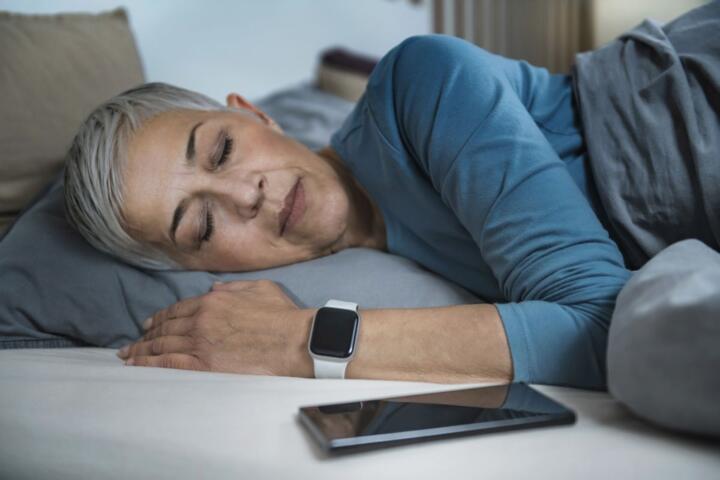
What Sleep Hygiene Means
Sleep hygiene refers to habits that shape how easily you fall asleep and stay asleep. It is not a single routine but a cluster of daily inputs that affect the brain’s timing system. Research from the CDC shows that around 1 in 3 adults in the United States sleep fewer than 7 hours per night.
Blue light exposure, irregular bedtimes, and late caffeine intake all interfere with the body’s internal rhythm. A 2023 sleep lab review found that screen exposure within 60 minutes of bedtime delayed melatonin onset by roughly 40 minutes on average. That delay compounds across a week.
Good sleep rarely starts at night.
The nervous system tracks patterns across 24-hour cycles. Shift those patterns and sleep shifts with them.
Common Myths
Sleep hygiene advice often sounds clean on paper but collapses in real life. Many people assume a single fix, like buying a better pillow, solves fragmented sleep. That rarely happens.
Another common belief is that staying in bed longer compensates for poor sleep. It does not. Spending 9 hours in bed while only sleeping 5 fragments the association between bed and rest. The brain starts treating the bed as a wakeful space.
Temperature myths also spread easily. Some believe any cool room works. In reality, a range around 16–19°C tends to align better with sleep onset in most adults.
Consistency gets ignored.
Weekend sleep shifts can reset progress from weekday routines. A 2-hour change in bedtime across Saturday and Sunday can delay weekday sleep onset by more than 30 minutes, according to circadian rhythm studies.
What Actually Works
Lock A Wake Time
Wake time anchors the sleep cycle more than bedtime. Getting up at the same hour trains melatonin release to stabilize across days. Even after poor sleep, maintaining wake time reduces drift in the internal clock.
Set a fixed wake window within 30 minutes every day. That range keeps rhythm stable without forcing unrealistic rigidity.
Morning light exposure within 20 minutes strengthens this anchor.
Control Evening Light
Light intensity after sunset changes sleep chemistry. Indoor lighting often reaches 300–500 lux, which delays sleep signals. Reducing brightness below 100 lux after 9 p.m. shifts melatonin timing forward.
Phones and laptops matter more than room lights because of proximity. A device at 30 cm distance produces stronger retinal stimulation than ceiling lighting at 2 meters.
Dim screens early.
Move Caffeine Earlier
Caffeine half-life averages 5–6 hours in adults. A 3 p.m. coffee can still circulate near midnight. That residual stimulation reduces deep sleep stages by measurable margins in lab studies.
Switching final caffeine intake to before noon reduces overlap with sleep windows. Some people metabolize slower, extending the effect even further.
Timing beats quantity.
Lower Bedroom Noise
Noise spikes above 40 decibels can trigger micro-awakenings even when the sleeper does not remember them. Traffic, appliances, or neighbors create fragmented sleep cycles.
White noise machines or consistent fan sounds reduce variability. The brain adapts more easily to steady sound than unpredictable spikes.
Silence is not always enough.
Keep Bed For Sleep
Using the bed for work, scrolling, or TV blurs behavioral cues. The brain stops associating the bed with sleep onset.
People who reserve bed use for sleep report shorter sleep latency in behavioral sleep studies, sometimes cutting onset time by 15–20 minutes.
One rule changes association.
Use Wind Down Buffer
A buffer period between activity and sleep reduces cognitive arousal. Reading, stretching, or low-stimulation tasks lower heart rate variability before bed.
Digital stimulation keeps the brain in alert mode longer than people expect. Even 10 minutes of social media scrolling can raise subjective alertness scores in controlled experiments.
Transition slowly.
Stabilize Room Temperature
Core body temperature drops by roughly 1°C before sleep onset. A room that supports this drop helps faster transition into sleep stages.
Overheating extends wakefulness. Overcooling triggers micro-awakenings during the night.
Balance matters more than extremes.
Routines Breaking Sleep
Sleep disruption rarely comes from one habit. It comes from stacking mismatches across timing, light, and stimulation.
Late-night eating shifts digestion into sleep hours. That increases core temperature and delays slow-wave sleep. Heavy meals within 90 minutes of bed often correlate with more fragmented sleep cycles.
Inconsistent wake times compound the issue. One late morning resets the rhythm slightly, then the next night starts later, and drift continues across the week.
Small shifts matter.
Work spillover into evening hours keeps cognitive load elevated. The brain does not switch states instantly. It carries problem-solving loops into bed unless there is a deliberate cutoff period.
Sleep does not compete well.
Simple Fixes List
| Area | Change | Time | Effect |
|---|---|---|---|
| Light | Dim screens | 60 min | Faster onset |
| Caffeine | Stop intake | 12 pm | Deeper sleep |
| Wake | Fixed time | Daily | Stable rhythm |
| Bed | Sleep only | Night | Stronger cue |
Common Mistakes
People often treat sleep like a nightly event instead of a daily pattern. That mindset leads to over-focusing on bedtime fixes while ignoring morning behavior.
Another mistake is chasing perfect sleep conditions. One bad night triggers overcorrection: stricter rules, earlier bedtimes, more time in bed. That usually increases frustration and wake time.
Alcohol use near bedtime is also misunderstood. It can shorten sleep onset but reduces REM sleep later in the night, leading to lighter rest in the second half.
More control backfires.
Checking the clock during wake-ups increases alertness. That behavior trains attention toward time tracking rather than letting sleep return naturally.
FAQ
How many hours of sleep do adults need?
Most adults function best with 7 to 9 hours per night, though individual variation exists. Consistency matters more than occasional long sleep sessions.
Does blue light really affect sleep?
Yes. Evening exposure can delay melatonin release and shift sleep onset later. The effect depends on brightness and duration of exposure.
Is naps good or bad for sleep hygiene?
Naps under 30 minutes earlier in the day can support alertness without disrupting nighttime sleep. Late or long naps often reduce sleep pressure at night.
Can exercise improve sleep quality?
Regular physical activity supports deeper sleep stages. High-intensity workouts close to bedtime may raise alertness temporarily, delaying sleep onset.
Why do I wake up at night?
Brief awakenings are normal in sleep cycles. Frequent or long awakenings often relate to temperature changes, stress, or inconsistent schedules.
Author's Insight
I have seen sleep improve faster when people stop chasing perfect routines and start adjusting timing anchors first. Wake time tends to set the tone for everything else. Once that stabilizes, other changes start to matter more.
Most fixes fail because they attack symptoms instead of rhythm. When rhythm shifts, sleep follows without as much force.
Summary
Good sleep hygiene comes down to timing, light, caffeine, and behavioral cues tied to the bed. Small changes repeated daily reshape sleep patterns more than isolated fixes. Focus on wake time, evening light, and consistent routines to reduce fragmentation.
Sleep improves when the system stops fighting itself.