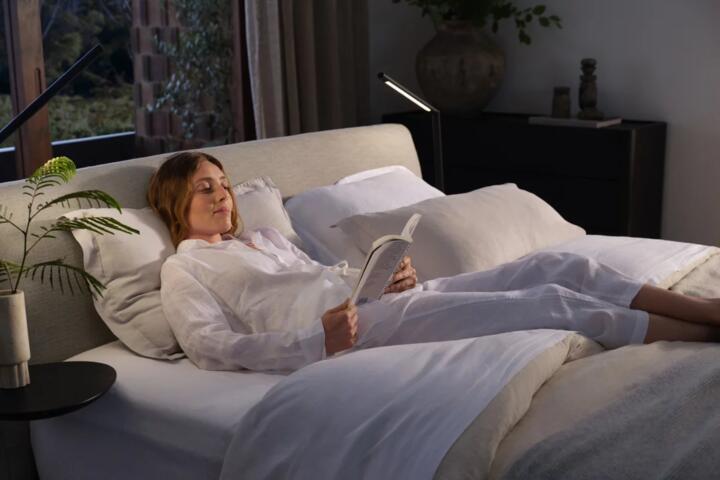
The Calm Bedroom Setup
A calm bedroom setup is a set of small, testable changes that reduce the body’s stress signals and make falling asleep feel routine. The goal is not a themed room; it is a predictable environment: dim light at night, stable temperature, controlled sound, and fewer cues that pull attention back to work. If you want a practical starting point, pick one variable for one week—light, noise, or temperature—then measure whether your sleep onset improves. I like to treat the bedroom like a lab with one hypothesis at a time, because random changes make it hard to tell what helped.
What People Get Wrong
Many setups fail because they target the wrong dependency. Sleep timing depends on circadian cues (light exposure), sleep pressure (time awake), and arousal level (stress, noise, discomfort). A bedroom can feel “cozy” while still sending strong arousal signals through bright screens, warm bedding that traps heat, or intermittent noise that fragments sleep. People also over-focus on mattress comfort while under-addressing the sensory inputs that happen before the body settles.
Light is the most common miss. A phone on a nightstand can emit enough short-wavelength light to delay melatonin in some people, especially when used close to bedtime and at higher brightness. Even if the room is dim, a bright window at night or hallway LEDs can keep the visual system active. Noise is the second frequent miss: a fan that masks sound can help, but a door that slams at irregular times can still cause micro-awakenings. Temperature swings matter too; many bedrooms drift warmer after midnight when bedding is too heavy or the thermostat overshoots.
Supporting technologies often get blamed when the real issue is placement and timing. A white-noise app at 30% volume may be too quiet to mask peaks, and a smart bulb set to “warm” can still be too bright if it sits in your direct line of sight. Motion sensors and smart speakers can also create unwanted light flashes or audio prompts, which is a problem when the brain is trying to downshift. On the legal and privacy side, smart devices can log usage patterns; you can reduce exposure by checking privacy settings and disabling voice recordings when you do not need them.
Build It Piece By Piece
Light Control With Proof
Start with light because it shapes circadian signaling. Use dim, warm lighting in the last 60–90 minutes before bed, and avoid bright screens at close range. If you want a measurable approach, use a cheap light meter app (lux readings vary by phone model) or a simple workaround: turn off every light except one dim lamp and check whether you can read comfortably without squinting. I once tested a “warm” smart bulb at 100% brightness and found it still felt harsh; lowering brightness mattered more than color temperature.
Block stray light from windows and indicators. Blackout curtains often outperform partial shades when streetlights are visible. Cover or dim LEDs on chargers, routers, and TVs; a single blinking indicator can become a cue your brain learns. If you use a smart alarm clock, set it to “no display” mode after a certain time, because many clocks revert to a bright screen when they detect motion.
Noise Management That Works
Noise control aims to reduce peaks and interruptions, not just “make it quieter.” Try masking with a steady sound source such as a fan or a dedicated white-noise device, then adjust volume so it stays audible but not distracting. If you live near traffic, measure peak loudness with a sound level app; a target many people find workable is keeping peaks from waking them, which often means masking peaks by several decibels. The exact number varies by building and hearing, so treat this as a tuning process.
For intermittent noise, consider physical barriers. Door sweeps, weatherstripping, and sealing gaps around outlets can reduce flanking noise. Earplugs can help when noise is sporadic, but they change how you perceive your own breathing and can feel uncomfortable at first. If you use earplugs, give them a few nights of adaptation and stop if you get ear pain or persistent discomfort.
Temperature And Bedding Tuning
Temperature affects sleep onset and maintenance through heat loss. Many people do better with a slightly cool room and breathable bedding. Use a thermometer near the bed, not just the thermostat reading, because sensors can be off by a few degrees depending on airflow. Aim for stability: if your HVAC cycles frequently, consider a fan for gentle circulation or adjust the thermostat schedule so it does not overshoot right after you fall asleep.
Bedding choice matters more than people expect. Heavy duvets can trap heat, while thin layers with a breathable sheet can let you fine-tune. If you wake up sweaty, reduce insulation first; if you wake up chilled, add a light layer rather than switching to a much heavier blanket. I prefer a two-layer system because it lets you change one variable without rebuilding the whole setup.
Reduce Arousal Before Bed
A calm bedroom setup also reduces mental arousal. A simple wind-down routine helps your brain associate the room with sleep rather than problem-solving. Use a “shutdown” note: write down tomorrow’s first task and any lingering worries, then store the note out of sight. This does not treat anxiety medically, but it can reduce the urge to rehearse tasks in bed.
Keep charging and work items out of the sleeping zone. If you must use a laptop, set it to a low-brightness mode and avoid using it in bed. Many people underestimate how quickly the brain learns cues; if you read emails in bed, your body may treat the bed as a place for vigilance. A small aside from my own observation of household routines: even a 10-minute “just checking” session can shift the time you feel ready to sleep.
Case Examples
Apartment With Streetlight Glare
A renter near a busy street reported waking at the same time each night, even when they felt tired. The bedroom had a visible window with a strong streetlight and a router LED that blinked steadily. They switched to blackout curtains and covered the router indicator with a small opaque cover, then kept the lamp brightness at a low level after 10:00 p.m. Over about a week, they noticed fewer awakenings and a smoother return to sleep, which matched the reduction in visual cues.
Shared Wall With Intermittent Noise
A person in a shared building struggled with sleep fragmentation on nights when neighbors used a loud appliance. They tried lowering their TV volume, but the appliance peaks still cut through. They added a fan for steady masking and used earplugs only on the noisiest nights. They also sealed a gap under the bedroom door with a door sweep. After tuning the fan volume for comfort, they reported fewer “half-awake” periods, which aligned with reducing peak-to-mask contrast.
Setup Checklist And Tradeoffs
| Change | What It Targets | What To Watch | Typical Time To Judge |
|---|---|---|---|
| Dim lights + screen cutoff | Circadian cues and arousal | Brightness still too high near bedtime | 3–7 nights |
| Blackout curtains | Stray light during sleep | Gaps around frame | 2–5 nights |
| Fan or steady masking | Noise peaks and interruptions | Volume too low or too loud | 2–7 nights |
| Temperature stability | Heat loss and comfort | Thermostat overshoot | 3–10 nights |
| Wind-down note | Cognitive arousal | Still rehearsing tasks in bed | 1–7 nights |
Step-by-step approach: pick one change, keep everything else stable for a week, and track two numbers—time to fall asleep and number of awakenings you remember. If you change multiple variables at once, you lose the ability to attribute improvements. If you do not see any change after two weeks, shift to the next variable rather than adding more gadgets.
Common Mistakes
People often buy “sleep” products that target comfort while ignoring sensory inputs. A cooling mattress pad can help some sleepers, but it does not fix bright light from a window or a blinking LED that trains the brain to wake. Another mistake is using noise masking at the wrong volume; too low fails to cover peaks, and too high becomes a new stimulus that keeps you alert.
Setup timing also gets missed. If you dim lights only after you already feel sleepy, the circadian system may not shift enough to matter. If you use blackout curtains but still check your phone in bed, the room can be dark while your eyes still receive strong light. A mild frustration many people report: smart devices sometimes revert to default brightness or schedule settings after updates, and that can undo a careful setup.
Privacy and safety mistakes show up with connected devices. Smart cameras, voice assistants, and some sleep trackers may collect data about routines. Review permissions and disable features you do not need, especially microphone access. If you use a smart thermostat or lighting system, check whether it stores usage history and whether you can delete it.
FAQ
How Dim Should Bedroom Lights Be?
Use lighting that lets you move safely without reading fine print comfortably. Many people find that lowering brightness and keeping the light source out of direct eye view matters more than color temperature alone.
Do Blackout Curtains Always Help?
They help when stray light reaches your eyes or wakes you during sleep. If your bedroom stays dark already, blackout curtains may add comfort but not change sleep onset much.
What Sound Level Should I Target?
There is no single universal number because hearing and room acoustics vary. Aim for masking that reduces noticeable peaks without becoming a new distraction, and adjust based on whether you still wake during intermittent noise.
Is White Noise Better Than Earplugs?
White noise helps with steady masking, while earplugs can reduce peaks from intermittent sounds. Many people combine them on the noisiest nights, then reassess after a week.
When Should I Suspect a Sleep Disorder?
If you have persistent insomnia, loud snoring with choking or gasping, or excessive daytime sleepiness despite a controlled bedroom setup, consult a clinician. Sleep problems can reflect conditions like sleep apnea or restless legs, which require targeted evaluation.
Author's Insight
A calm bedroom setup works through measurable pathways: light affects circadian signaling, noise affects arousal and sleep fragmentation, and temperature affects comfort and heat loss. The most reliable improvements come from changing one variable at a time and tracking sleep onset and awakenings for a week. Connected devices can help with scheduling, but they also introduce privacy and reliability concerns, so settings should be reviewed after updates. If sleep issues persist despite a controlled environment, the next step is clinical evaluation rather than adding more gadgets.
Key Takeaways
- Treat the bedroom like a test space: change one variable for a week, then judge results using sleep onset and remembered awakenings.
- Light control often drives the biggest circadian shift; reduce brightness and block stray indicators.
- Noise control targets peaks and interruptions; masking volume and placement matter.
- Temperature stability beats guesswork; measure near the bed and tune bedding in layers.
- If symptoms persist, consider that the issue may extend beyond the room and seek professional assessment.