Why Start a Hobby Now?
Beginning a hobby as an adult often feels harder than it should. One reason is the mental barrier created by the belief that hobbies are for younger people or require full-time dedication. Contrary to that notion, by 2022, over 60% of adults reported engaging in a new leisure activity within a year, proving age isn’t the barrier people imagine.
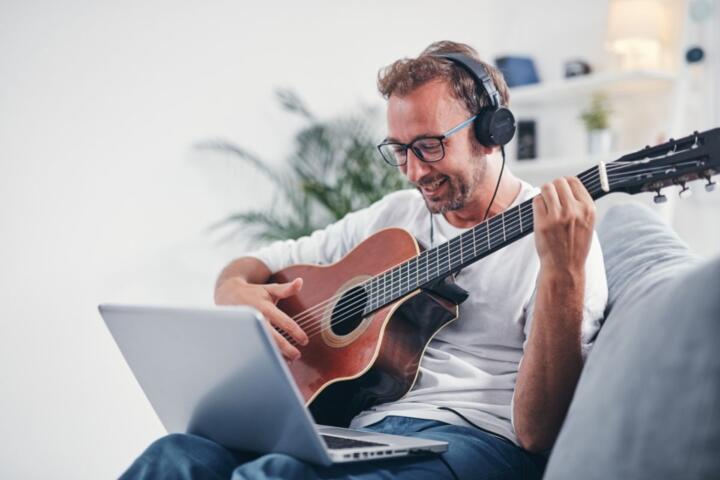
Take knitting, for example. A beginner might spend 30 minutes a day and quickly knit a simple scarf. Or, consider learning guitar. Apps like Yousician offer step-by-step lessons that adapt to your pace. Hobbies like these fit into even tight schedules.
Starting now means you adopt a new skill set, reduce stress, and—some studies suggest—improve brain health by 20% in memory and focus areas if done regularly over six months.
Hobbies deliver measurable benefits beyond just entertainment.
Common Challenges Adults Face
Most adults underestimate the challenge of fitting hobbies into busy lives or expect instant mastery. This leads to a steep drop-off in the first two months after starting. For example, a 2021 survey showed 45% of new hobbyists quit within eight weeks.
Another issue is analysis paralysis. Access to too many options and tools like Udemy, Skillshare, or YouTube can overwhelm beginners—most tutorials assume prior knowledge or skip crucial foundational steps.
Frustration sets in when progress stalls, often because adults overcommit initially, causing burnout or guilt that reduces enjoyment. And a silent killer: comparing progress to others on social media. The inbox stops winning.
How to Start Right: Solid Tips
Pick One, Test It
Choose a hobby that excites you, then commit to a short trial period, no more than three weeks. This timeframe lets you gather firsthand experience without pressure. For instance, borrow a beginner’s photography kit before purchasing expensive equipment to see if you enjoy it.
Set Tiny Goals
Big ambitions kill motivation faster than nearly anything else. Instead, aim for incremental wins—such as learning one new song on piano weekly or completing a single knitting row per day. Achievable goals keep momentum alive.
Schedule It In
Block specific times for hobby sessions on your calendar. Treat these like appointments. Even 10 minutes daily matters. I found a casual 15-minute watercolor practice after dinner fits better than weekend marathons.
Use Quality Tools and Resources
Start with beginner-friendly platforms: Coursera offers structured art classes; Duolingo excels for language learning with a 5-minute daily burst; or Calm for meditation practices. Tools that track progress, like the Habitica app, provide gentle accountability.
Join Communities
Interaction results in faster improvement. Reddit groups or local hobbyist clubs add social elements. A chess novice I know improved 40% faster simply by weekly game meetups.
Embrace Mistakes
Errors aren’t setbacks but lessons. Fiberglass model building, my personal sideline, routinely involves scrapping attempts. When you accept this early, frustration lessens. And it rarely works the way the docs say, which helps develop patience.
Update Your Setup Gradually
Initial equipment doesn’t have to be top-tier. Practice first, then upgrade. A runner who buys costly gear without foundation often wastes money. Beginners should wait at least six months before big purchases.
Track Progress Visually
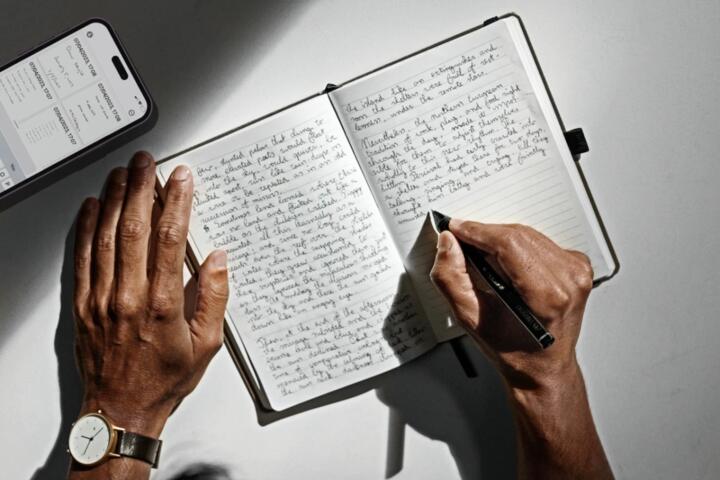
Keep a photo diary, a journal, or use apps like Coach.me to log sessions. Seeing progress—even small—fuels motivation. One friend improved fingerpicking skills by 30% after tracking daily for three months.
Mix Routine with Spontaneity
Keep your hobby fresh by occasionally trying new techniques or switching locations. If always painting indoors, a plein air session outdoors breaks predictable patterns and sharpens skills.
Real-Life Examples
Jane, a 38-year-old office manager, started jogging to relieve stress. Initially, she ran twice weekly for 15 minutes. After three months, she expanded to 30 minutes five times a week—a 250% increase. Her routine improved sleep quality by nearly 20%, verified with a Fitbit Versa 3 tracker.
Mark, 45, wanted to learn digital illustration. He subscribed to Skillshare, completing 10 short courses focused on fundamentals over two months. Though frustrated initially, his deliberate practice paid off; he completed freelance projects bringing in $1,200 the first quarter post-learning.
Checklist to Begin
| Step | Action | Result | Example Tool |
|---|---|---|---|
| 1 | Choose hobby | Focused effort | Meetup.com |
| 2 | Set mini goals | Sustained progress | Trello |
| 3 | Schedule sessions | Habit formation | Google Calendar |
| 4 | Use beginner tools | Smooth start | Duolingo |
| 5 | Join a group | Community boost | |
| 6 | Track progress | Momentum | Coach.me |
Typical Pitfalls and Fixes
Starting too broadly kills focus. For instance, diving into cooking, photography, and drawing all at once leads to burnout. Fix: narrow your focus, then expand after mastery.
Expecting quick mastery in complex skills like violin or coding adds pressure and disappointment. Practice pacing prevents this. Aim for realistic progress: 15 minutes, five days a week.
Not accounting for costs ruins motivation. Hobbies add up. Budget before buying photography gear or a pottery wheel. Renting or subscribing to online classes, like MasterClass’s short-term option, controls outlays.
Skipping community interaction delays growth. A cracked book or tutorial video misses live feedback, vital for refinement.
FAQ
How to choose a hobby that fits?
Start by assessing your interests and lifestyle. Consider hobbies requiring your available time and budget. Short online quizzes like ""Find Your Hobby"" can guide choices.
What if I don't have time?
Even 5–10 minutes daily count. Integrate mini sessions into breaks or evenings to maintain momentum without disrupting your routine.
Are expensive tools necessary?
No. Many quality beginner tools are affordable or free. For instance, Canva offers free graphic design tools suitable for amateurs.
Can adult beginners get frustrated?
Absolutely. Frustration is a sign of growth but avoid it by setting small objectives and celebrating minor wins.
How to stay motivated?
Tracking progress visually or joining groups adds accountability and encouragement, which sustains enthusiasm over months.
Author's Insight
From my experience, the hardest part is starting without perfectionism blocking effort. I recall trying to learn Spanish in 2019 using an app that promised fluency in 30 days. It didn’t, and I dropped it twice. Returning with a slower, flexible pace helped me retain more. Patience beats raw speed every time. Also, integrating hobbies with daily life, like listening to language podcasts while walking, works better than isolated sessions.
What to Remember
Adults can start new hobbies successfully by focusing on manageable goals, realistic expectations, and consistent habit-building strategies. Pick one hobby, schedule small practice times, tap into beginner-friendly resources, and engage with communities. Avoid overcommitment and costly upfront investments. Progress might look slow, but with tenacity, a rewarding skill set unfolds.