Learning Screen-Free Evening
Taking a full hour off screens before bedtime means no smartphones, laptops, or televisions. It's not just about avoiding blue light; the break shifts your brain away from constant alerts and information overload. Researchers find that exposure to screens up to 90 minutes before sleep can delay melatonin release by up to an hour, pushing bedtime back and increasing fatigue.
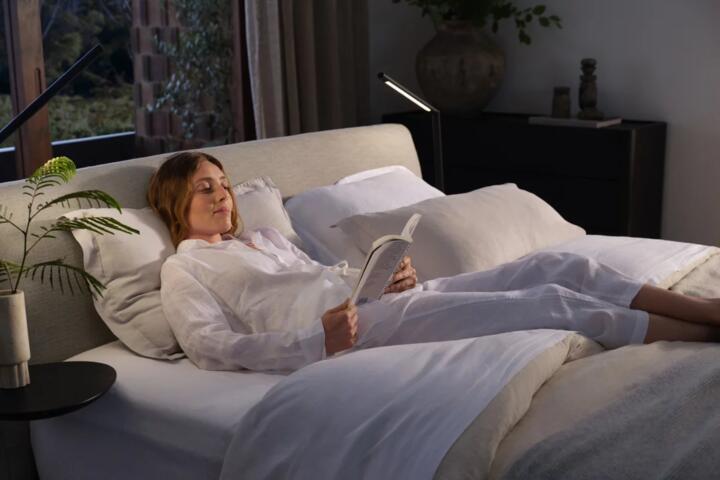
Imagine dimming the lights, perhaps reading a physical book or journaling instead. This hour creates a buffer zone—a mental reset allowing the nervous system to wind down naturally. The concept goes beyond just sleep quality; it improves overall mood and reduces evening anxiety that often goes unnoticed.
Last year, a study by the University of Houston showed that people who adopted screen-free evenings experienced a 30% improvement in reported sleep quality after two weeks. That alone makes a strong case, but there's more under the surface.
Common Evening Challenges
Many people assume simply turning off devices at bedtime is enough. They ignore how afternoon and evening screen use prime their brain for wakefulness. Screens stimulate dopamine release, so the brain is craving more, even at 9 PM. The overstimulation interferes with the natural circadian rhythm, leading to trouble falling asleep or restless nights.
Those consequences cascade into the next day: decreased focus, irritability, and slower reaction times. Consider the impact on someone who checks emails until 10 PM or wakes up tired despite 7-8 hours in bed. Their brain never fully disengaged from work or social media stressors, wearing down resilience in subtle ways.
In family scenarios, children exposed to screens late into the evening often resist bedtime. This behavior disrupts the whole household and can increase parental stress—a negative spiral nobody wants.
How to Start Screen-Free
Set a Strict Cutoff Time
Pick one hour before sleep to stop all screen use, for example, 8 to 9 PM. Mark it clearly on your calendar and treat it like a meeting you cannot miss. Removing the temptation early makes it easier to stick with, and it shifts habits inside your brain wiring—trust me, the first few days sting.
Create Analog Rituals
Replace screen time with tactile activities: reading physical books, sketching, or sewing. My partner picked up crossword puzzles using the New York Times app (version 2.3.1) at first, then switched fully to printed puzzles at night. The engagement changes—the brain calms rather than buzzes.
Use Low Lighting
Dim lights or use warm bulbs during your screen-free hour. Avoid bright overhead LEDs that disrupt melatonin production. A small salt lamp or an Edison bulb works well, with no flicker or harsh blue tones to confuse the brain.
Practice Mindful Breathing
A simple 5-minute breathing exercise reduces autonomic nervous system activity, which screens often spike. Apps like Calm or Headspace prompt you to do this during the day, but doing it in your screen-free hour unplugged works better—you avoid screen influence but keep benefits.
Limit Caffeine Intake
Some skip this step, but caffeine consumed even 6 hours before sleep can delay restfulness. Combining that with late screens amplifies insomnia. Avoid tea, coffee, and energy drinks after the afternoon. A chamomile infusion or warm milk usually does the trick.
Keep Devices Out of Reach
Charging your phone outside the bedroom reduces bedtime screen temptation. One study showed that people who ignored this rule checked their phones 45 more times nightly. The fewer distractions, the easier it is to stay committed.
Journal Without Screens
Physical journaling lets you unload worries and plan the next day, helping dissolve stress. Writing on paper engages different parts of the brain than typing and helps cement the habit.
Stay Consistent in Weekends
Many discard routines on weekends, which disrupts circadian rhythm continuity. Keeping the hour screen-free every night yields measurable benefits within 10 days. The gains compound.
Adjust Room Temperature
Cooler rooms, around 65°F (18°C), support deeper sleep. Screens raise alertness but a proper environment helps counterbalance that. This is often overlooked but easy to fix with a thermostat or fan.
Real-Life Examples
At a small startup, a product manager noticed afternoon drowsiness and poor sleep among staff. The team introduced a ‘screen-free hour’ from 8 to 9 PM over one month. Workers reported 25% fewer missed mornings and a 15% rise in self-rated focus. Most surprising: the collective mood shifted positively during stressful product launches.
Another case comes from a family with two teenagers who struggled with bedtime resistance. Implementing no devices after 8 PM shifted their sleep patterns; one kid’s nightly melatonin levels, tested via saliva, improved by 20%. Parental stress dropped visibly because chaos before sleep diminished.
Screen-Free Evening Checklist
| Step | Action | Why | Tool/Tip |
|---|---|---|---|
| 1 | Set cutoff time | Limits screen overuse | Phone alarm/calendar |
| 2 | Use low lighting | Supports melatonin | Salt lamp or Edison bulb |
| 3 | Physical journaling | Mental declutter | Notebook + pen |
| 4 | Charge outside room | Reduces temptation | Power strip in hallway |
| 5 | Breathing exercise | Calms nervous system | Stopwatch or mental count |
Common Errors
Going cold turkey at once often backfires—screen jitter and anxiety spike if you replace scrolling with boredom. Smaller, incremental steps work better, such as 30-minute cutoffs increasing by 10 minutes each night. I’ve seen people give up entirely by expecting too much too fast.
Another mistake: using screens to consume passive content during the hour, like streaming low-energy TV. While less intense, it still delays the brain’s rest mode. Don’t fool yourself with ""just one episode""—the dopamine hit lasts.
A big one is ignoring the surrounding environment. Bright overhead lights, late caffeine, and temperature too high will negate even a perfect screen-free hour. Combine changes carefully; otherwise, the baseline sleep quality won’t improve.
FAQ
How long before bed should I stop screen use?
One hour is a practical target backed by research, although 90 minutes gives added benefit. The key is consistency.
Will reading on an e-reader affect sleep?
Depends on the device. E-ink displays without backlight are generally fine, but LCD or OLED e-readers emit blue light that may disrupt sleep.
Can screen filters or blue light glasses replace a screen-free hour?
Those help reduce light exposure but offer no relief from mental stimulation caused by content or notifications.
What if work requires late-night computer use?
Then prioritize breaks to rest eyes and practice deep breathing, or schedule screen-free time immediately after work to reset.
Is audio content like podcasts allowed during screen-free time?
Audio-only is less disruptive, but stimulating or stressful content should be avoided to keep the brain calm.
Author's Insight
After experimenting with nightly screen breaks, I noticed faster sleep onset and fewer mid-night awakenings. It wasn’t easy—my phone’s pull is strong. Setting a visible alarm and moving devices away helped a lot, more than I expected. This practice not only improved my rest but also made me more present in evening conversations, boosting connection with family. This habit is subtle but accumulates impact.
Key Takeaways
Adopting a screen-free hour before bed rewires your evening for rest and mental clarity. Set a clear cutoff, dim lights, swap devices for physical books or journaling, and avoid caffeine late in the day. Keep devices charged outside the room and maintain consistent routines. Small changes compound over days, resulting in better sleep, mood, and focus. Start small, adjust room conditions, and watch your evenings transform quietly but profoundly.