Understanding Meditation Basics
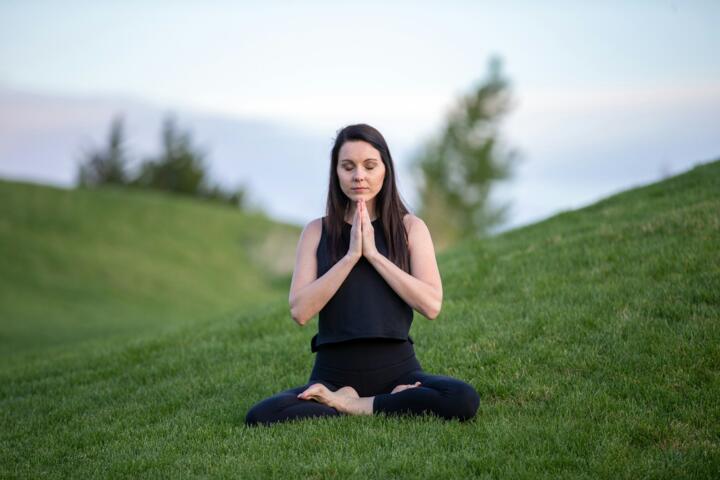
Meditation aims to focus the mind and increase awareness by sitting quietly, observing thoughts without judgment. You can practice it anywhere—on a park bench, in your kitchen, or even before bed. Studies show that engaging in meditation for 10 minutes daily improves concentration by up to 30%. Despite the abundance of apps, the essence remains unchanged: attentive breathing, body awareness, and letting go of distractions.
Consider meditation as a train of thought you do not control but watch passively. For instance, letting go of a work email that popped into your head without reacting.
Challenges and Missteps
Many people underestimate how frequently the mind wanders during meditation. Counting down minutes on apps often causes stress, ironically undoing meditation’s benefit. Some expect immediate relaxation, leading to frustration—and quitting. Overplanning sessions without a simple structure adds unnecessary anxiety. Without understanding that a wandering mind is normal, beginners feel they've failed. Real-life situations, like noisy homes or interruptions, make it harder, especially when you rely too much on digital cues.
The thought “I’m not doing it right” derails many early meditators.
Practical Ways for Start
Focus on Your Breath
Use breathing as an anchor. Close your eyes, inhale slowly through your nose for 4 seconds, hold for 7 seconds, then exhale for 8 seconds. Repeat this cycle five times. This method, known as 4-7-8 breathing, lowers heart rate and calms neural activity in the amygdala. It requires no devices and is effective within minutes.
Find a Consistent Spot
Choose a quiet corner at home or outside. Sitting on a cushion or chair, keep your back straight but relaxed. Consistency helps condition the brain for meditation. The body learns to associate that spot with calm, making subsequent sessions easier.
Set a Timer, Not an App
Use a simple kitchen timer or a mechanical watch alarm. Set it for 10 minutes, no more. Skip apps with excess features, which distract or tempt you to multitask. Keep the timer out of sight to avoid clock-watching. This approach decreases anxiety about session length.
Try Body Scan Meditation
Focus your attention sequentially on different body parts—feet, calves, thighs, hips, etc. Notice tension or sensations without judgment. It grounds awareness in the present and reduces wandering thoughts. You don't need guided audio; a mental checklist suffices for beginners.
Use Mindfulness of Sounds
Instead of blocking noise, acknowledge ambient sounds—birdsong, traffic, typing—without clinging or aversion. This technique trains the mind to observe rather than react, a key skill enhancing emotional resilience. It requires no app, just a listening ear and open mind.
Journal Briefly After Sessions
Write 2-3 sentences about your experience immediately after meditating. Note whether your mind wandered or you felt calm. Over weeks, this practice reveals patterns and progress quantitatively and qualitatively. A cheap notebook works better than digital notes, which interrupt reflection.
Practice Patience and Acceptance
Recognize meditation is a skill that grows through repetition. Some days feel effortless; others, frustrating. Both have value. Avoid self-criticism; just begin again tomorrow. No gadgets required except your commitment.
Use Breath Counting
Count your breaths from one to ten, then repeat. This simple technique, dating back centuries, anchors focus and reduces mind racing. It takes under five minutes to quiet the brain's background noise effectively.
Pair Meditation with Daily Activities
Integrate short moments of mindful breathing while brushing teeth or waiting in line. These mini-practices add up over time. They build resilience, even if you skip formal sessions due to schedule conflicts.
Real-Life Examples of Success
A small tech startup began holding 5-minute group meditation sessions in their break room—no guided apps allowed. After 3 months, employee surveys showed 40% less reported stress and 25% boost in focus during crunch periods. The startup founder emphasized that removing digital inputs made sessions feel more genuine.
Another case involved a teacher who wanted mindfulness but found apps distracting during busy school days. She relied on deep breathing and body scans between classes. After 6 weeks, her insomnia improved, and classroom disruptions dropped. The simplicity in her method reduced resistance to practice.
Checklist for Effective Meditation
| Step | Action | Tip | Duration |
|---|---|---|---|
| 1 | Sit in chosen spot | Back straight, relaxed | 1 min |
| 2 | Deep breathing cycles | 4-7-8 counts | 4 min |
| 3 | Body scan focus | Notice sensations | 3 min |
| 4 | Mindful listening | Observe sounds without reaction | 2 min |
| 5 | Journal reflections | Note thoughts, progress | 2 min |
Common Errors and Fixes
Overreliance on apps causes some to skip sessions when technology fails or distractions arise. Instead, hone your skill without digital aids first. Setting unrealistic goals — like meditating 30 minutes daily from day one — leads to burnout. Start smaller and gradually increase time as comfort grows.
Forgetting to create a quiet environment makes it tough to focus, yet waiting for perfect silence is futile. Embrace interruptions as part of the practice; they test and build resilience. Holding too tightly to “no thoughts” hampers progress. Meditate with openness to mental chatter instead.
It helps to have short reminders, a sticky note on a desk or a band on the wrist, prompting you to breathe. Skipped days aren’t failures—just moments to resume practice.
FAQ
Do I need special training?
No special training is necessary. Meditation starts by paying attention to your breath and body—the simplest steps require no certification or app guidance.
How long should my sessions be?
Ten minutes is a solid starting point. Short, regular sessions beat occasional long ones in building habit and focus.
What if my mind keeps wandering?
Mind wandering is normal, expected. Gently bring attention back to breath or body without judgment each time it drifts.
Can meditation replace sleep?
Meditation improves sleep quality but doesn’t replace the need for hours of restful sleep essential for health.
Is it okay to meditate lying down?
Yes, but it’s easier to fall asleep lying down. Sitting upright helps maintain alertness in early practice.
Author's Insight
Starting meditation without an app allowed me to cultivate patience—no distractions, only my breath and awareness. The process feels raw and honest; you rely on inner signals rather than technology. I found that simple breath exercises made the biggest difference, especially amid unexpected interruptions, which, frankly, most people skip but reveal true progress. The low-tech approach builds a foundation that apps can’t replace.
Key Takeaways
Meditation without an app strips the practice down to its core: attention, breath, and awareness. Starting with brief, timed breath cycles and body scans fosters calm without reliance on devices. Building patience with normal distractions pays off more than chasing perfection or technology features. Keep it simple, consistent, and grounded in real moments around you.