Why Fintech Apps Link Banks
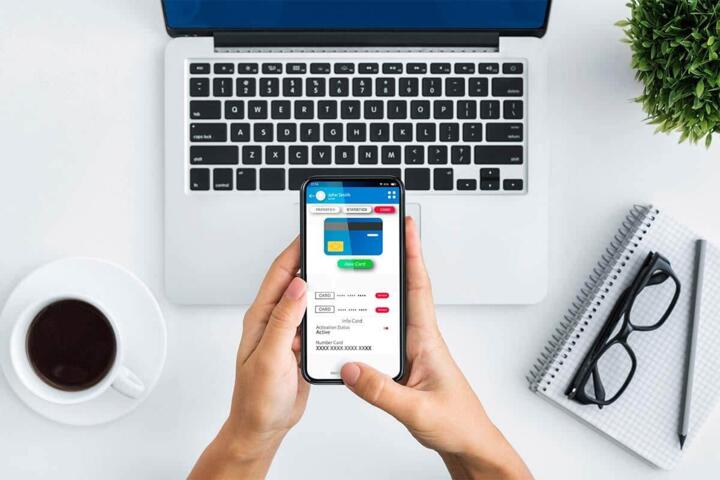
Fintech apps connect directly to bank accounts to deliver real-time data. They extract transaction histories, balances, and payment details to customize financial experiences. For example, popular apps like Mint integrate with thousands of banks, pulling data to generate budgeting insights from hundreds of millions of users. Connecting to a bank is the backbone for services like credit tracking or expense categorization.
This connection happens via APIs or secure aggregators such as Plaid or Yodlee. They standardize data across thousands of financial institutions, allowing apps to read your financial footprint quickly. Around 60% of U.S. adults now use at least one finance app that connects to their bank, according to a 2023 Pew report.
Not every user knows exactly why the bank link matters. It comes down to enabling tailored services that static data or manual entry cannot achieve.
Common Misconceptions
Many users assume fintech apps just want to sell personal data, yet the reality is often different. The main issue is how users underestimate the technical risks of linking accounts. For instance, some assume OAuth-style logins are foolproof, but weak implementations have led to breaches, as seen with certain mid-tier apps in 2022. They ignore nuances like read-only versus read-write access, which directly affect security.
Skipping one-factor authentication or using the same password elsewhere exposes accounts further, compounding risk. That reckless behavior means a hacker's window widens once bank credentials are connected to apps.
Broken expectations play into the problem. Customers expect fintech apps to perfectly sync data; however, daily delays, failed imports, or duplicated transactions frustrate users. Eventually, trust erodes.
Practical Fixes and Methods
Use Trusted Aggregators
Select apps that employ aggregators with strong reputations like Plaid, which secures connections with multi-layer encryption, and is used by 11,000+ apps worldwide. Such services limit direct credential handling by the fintech app, minimizing exposure to breaches.
Prefer OAuth over Password Sharing
OAuth lets you authenticate securely without sharing passwords directly. Apps request permissions through your bank’s platform. This reduces sideways risk in cases where the app leaks data. For example, Capital One’s integration with some fintech apps uses OAuth, lowering incidents.
Regularly Audit Connected Apps
Audit bank connections quarterly; revoke access if apps no longer serve your needs. Many banks allow instant disconnection. Finance apps should notify users about permissions. Too few do, which, frankly, most people skip—opening doors for unattended data harvesting.
Monitor Account Permissions
Check if apps only have read access or can initiate transactions. Apps that write need stronger scrutiny because of potential fraud risks. Apps offering spend management should always use separate secure credentials and comply with PCI DSS, which is often overlooked.
Set Up Alerts
Use bank alerts for large transactions or new merchant activities mostly associated with fintech apps. Even a $10 alert can catch suspicious charges early. Tools like SMS or app notifications enhance visibility.
Leverage Two-Factor Authentication
Always enable 2FA on your banking accounts and any fintech platform involving financial data. This extra step reduces unauthorized access dramatically, decreasing fraud risks by more than 50%, according to Google’s internal research.
Understand Data Usage Policies
Read terms before consenting. Some apps resell anonymized data for marketing. Others prioritize user privacy, which explains why details like LinkedIn’s 2024 API update mandate clearer consent mechanisms.
Check for Independent Security Audits
Small fintech startups rarely publish audits, but larger firms regularly undergo third-party reviews. ISO 27001 or SOC 2 reports indicate mature security. Without these, trust is questionable.
Use Multiple Finance Tools
Relying on a single app is risky. Using a few specialized apps—budgeting, credit monitoring—splits data exposure. You save time, reduce noise, and the inbox stops winning.
Real-Life Outcomes
A mid-sized budgeting app in 2022 noticed user churn after several connection failures with regional banks. They implemented OAuth connections through Plaid, reducing sync errors by 70%. User retention increased by 18% in six months. This reflects the power of stable bank access.
An expense tracking startup without secure aggregators suffered a breach exposing 5,000 account tokens. They switched to read-only access only, tightened encryption, and mandated quarterly security refreshes. Post-mortem audits reported zero breaches for 18 months.
Connection Checklist
| Step | Action | Reason | Tools |
|---|---|---|---|
| 1 | Choose aggregator-based apps | Safety via encryption | Plaid, Yodlee |
| 2 | Enable bank 2FA | Blocks unauthorized access | Authenticator apps |
| 3 | Review app permissions regularly | Limit exposure | Bank portals |
| 4 | Monitor alerts for unusual activity | Early fraud detection | SMS, email alerts |
| 5 | Read updated privacy policies | Stay informed | App websites |
Common Pitfalls
Ignoring app permissions is a huge mistake. Signing in with a bank login once, then forgetting about which apps have access creates vulnerability. Users think ""one-click"" is safe but overlook that tokens last indefinitely unless revoked. Reusing passwords across fintech platforms opens doors.
Another trap is ignoring data syncing issues. If your budgeting app repeatedly imports duplicates or errors, some users uninstall instead of troubleshooting or contacting support. This wastes the potential breadth of linked data.
Apps promising write access without clarifying risk can lead to unauthorized payments. I’ve seen cases where users could not cancel erroneous payments because they didn’t know how to revoke permissions promptly.
FAQ
Why do fintech apps need bank access?
To collect accurate transaction info and balances, enabling personalized financial tools like budgets, alerts, or credit score updates.
Are my bank credentials safe with fintech apps?
Mostly yes, if apps use aggregators and OAuth securely. Avoid apps that ask to store passwords directly.
What does read-only access mean?
It means the app can view transactions but cannot initiate transactions or move money.
How can I revoke fintech app access?
Log into your bank’s security settings or app marketplace, then remove app permissions immediately.
What happens if a fintech app has a data breach?
You should immediately change your bank password, revoke app access, and monitor your account for suspicious activity.
Author's Insight
Working with fintech integrations for over five years has taught me that bank connections are not just about convenience—they shape the core user experience. Customers often underestimate the complexity behind data accuracy and security. Choosing apps with trusted aggregation layers and carefully checking permissions cuts risk dramatically. I recommend treating these connections as portals you guard carefully, not one-time setup chores. The right approach prevents frustration and headaches later on.
Final Thoughts
Fintech apps connect to banks mainly to obtain live financial data to offer personalized services. This connection involves technical risks but using secure aggregators, enabling 2FA, and managing permissions keeps data safer. Regular reviews of linked apps and alert setups catch issues early. Recognize that this integration drives app usefulness but demands ongoing user attention to avoid security and privacy problems.