Understanding Stress in Hosting
Inviting friends over often brings a mix of excitement and anxiety. The pressure to be the perfect host sometimes overshadows the joy of socializing with those closest to you. For example, in a 2021 survey by Eventbrite, 62% of adults reported feeling stressed out by hosting events due to planning demands.
Hosting isn't just about food or space — it’s about managing expectations and logistics behind the scenes. Many people underestimate how much effort goes into accommodating different routines, dietary needs, and conversation dynamics. If you’ve ever frozen over what to serve or worried about seating arrangements, you’re not alone.
Real scenarios tell the tale: last-minute cancellations, forgotten seating, and uneven timing often tip gatherings into awkward territory. A casual dinner run by the clock feels rushed, and the host's nerves are contagious.
Small slips add up quickly. You don’t want a social evening to feel like an exam.
Key Hosting Challenges
Misjudging time is one of the biggest challenges. Hosts frequently underestimate prep time or how long gatherings last. This results in a frenzy minutes before guests arrive and lingering stress afterward.
Another hurdle is juggling guest preferences. Overlooking dietary restrictions or personal comfort zones can cause discomfort unnoticed until the event, ruining the mood. One friend’s thrice-baked potato allergy is a detail that sometimes slips the mind.
Cluttered or ill-planned spaces contribute heavily to stress. Cramped rooms, poor lighting, or a lack of seating escalate tension rather than ease it. I often find an extra chair tucked away months too late.
Hosts also tend to overcommit, assuming they can somehow do everything—cook, serve, entertain, and keep conversation flowing—all at once. This leads to burnout and less genuine interaction.
Clear Steps to Stress-Free Hosting
Plan the guest list around space
Start by realistically matching the number of guests with your actual space. If the living room comfortably fits six, don’t stretch to ten. It avoids squeezing or borrowing awkwardly sized furniture that throws off flow.
Use apps like Floorplanner (version 6.2 as of March 2024) to sketch your setup. It helps visualize pathways and seating, so guests don’t feel trapped.
Set clear arrival and departure times
Communicate start and end times firmly but kindly. Inform guests if you’re serving food at a specific hour to minimize waiting or empty stomachs. This controls pacing and keeps you on track.
Send reminders via messaging apps the day before. People forget, and it’s a courtesy everyone appreciates.
Choose simple, tested menus
Pick dishes you’ve made successfully before, especially for larger groups. Stressful last-minute recipe experiments often backfire. Keep varied but straightforward options to cover allergies and tastes.
Consider partly store-bought items to cut prep time. For instance, farm-fresh salads from local markets save hours and taste better than rushed homemade versions.
Create zones for activities and seating
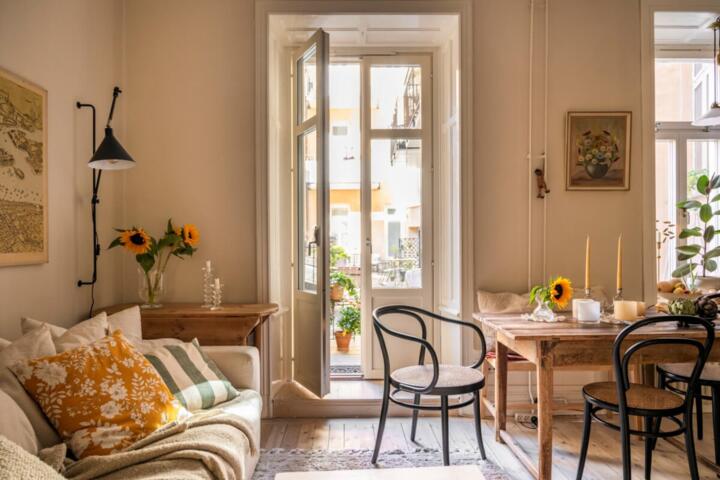
Rather than a single seating area, carve out functional zones—a place for chatting, one for eating, maybe a window nook for quiet talks. This arrangement prevents crowding and helps guests gravitate where they feel comfortable.
Soft lighting lamps and scented candles can subtly mark these zones, enhancing mood without shouting for attention.
Prep early and delegate
Start setup at least a day before for decorations, cleaning, and food prep. Delegation isn’t failure—ask close friends to bring a dish, or invite a willing guest to set the music playlist. It spreads responsibility and eases your load.
I personally use Trello to track tasks and deadlines for parties, which, frankly, most people skip and regret later.
Limit tech distractions
Glancing at phones or devices disrupts face-to-face chat. Designate a spot for phones or enable “Do Not Disturb” modes. It’s about creating presence and reducing the stress of missed calls or notifications—that endlessly buzzing inbox.
Create a relaxed dress code
Communicate a casual dress code to prevent guests from feeling overdressed or underdressed. You want everyone relaxed and focused on company, not on outfits.
This detail often goes overlooked and subtly impacts comfort levels more than you’d guess.
Have fallback plans for weather
If your event has an outdoor component, prepare alternative indoor options with equal appeal. A covered porch or living room corner with board games provides an inviting rain alternative.
Having options stops the feeling of being “stuck” with plans that unravel suddenly.
Wrap gatherings at a digestible length
Keep your events between 2 to 3 hours. Longer stretches increase fatigue and test group energy. Shorter times encourage natural departures and prevent frantic stretches of “last call” tension.
Success Stories in Hosting
A marketing agency hosted a client appreciation event for 30 attendees. Initial fears about space vanished after renting a modular furniture set that adapted easily to the venue shape. They set staggered arrival windows, which helped manage seating and conversation flow. Attendees reported 85% satisfaction in surveys, with clients noting the relaxed atmosphere boosting relationship strength.
Separately, a teacher invited seven friends over for a casual game night. By choosing simple finger foods from a nearby deli and prepping seating zones ahead, the host avoided the usual multitasking blues. The group lingered comfortably for four hours without any stress-induced slip-ups.
Hosting Checklist
| Task | When | Who | Tip |
|---|---|---|---|
| Confirm guest count | 1 week prior | Host | Ask twice to avoid surprises |
| Menu planning | 3 days prior | Host & helpers | Reuse known recipes |
| Space setup | Day before | Host & guests | Test lighting and seating flow |
| Confirm timing | Day before | Host | Send reminders |
| Delegate tasks | Week before | Host & guests | Assign confidently |
Frequent Hosting Errors
Many hosts cram too much into one evening, leading to rushed activities and scattered energy. Avoid by focusing on a few key highlights instead of packing the schedule tight.
Overpreparing food creates waste and stress. Trust in portion estimates: on average, allow 8 ounces per guest for a main dish. Leftovers are fine but don’t let them drive anxiety about cooking.
Failing to communicate expectations causes misalignment during arrival. Be explicit about house rules or event type so guests come prepared and relaxed.
Ignoring comfort details—like temperature control or easily accessible restrooms—makes guests fidget. These factors often get overlooked but matter more than flashy decorations.
Trying to entertain solo is a recurrent error that saps host energy. Instead, create natural conversation starters or group activities to distribute hosting effort.
FAQ
How far ahead should I plan?
Start two weeks before the event for guest list and venue preparation, then finalize menus and supplies a few days prior.
How can I accommodate food allergies?
Ask guests directly beforehand, then label dishes clearly. Include at least one universally safe option like grilled vegetables or rice dishes.
What if guests arrive late?
Have snacks and drinks available upon arrival to welcome latecomers without disrupting flow.
How do I handle cleanup after hosting?
Plan a quick tidy-up right after guests leave and a deep clean the next day. Enlist help if possible.
Can I host with limited space?
Yes, but limit guest numbers drastically and focus on cozy, intimate conversation setups instead of large group activities.
Author's Insight
My years of hosting have shown me the difference between a stressed and relaxed event often hinges on preparation details others overlook—lighting, clear messaging, and delegation. I learned quickly that perfection is a myth; instead, I aim for comfort and conversation. Tools like shared checklists and floorplans help my sanity. The right mindset goes a long way.
Summary
Stress-free hosting requires more than good intentions: it demands realistic planning, guest-oriented environments, and honest communication. Start by matching headcount to space, set clear timing, and don’t shy from delegation. Keep your food simple, spaces inviting, and tech distractions down. Prepare ahead to enjoy rich connections instead of last-minute chaos. Hosting with calm is within reach.