Routines And Decision Load
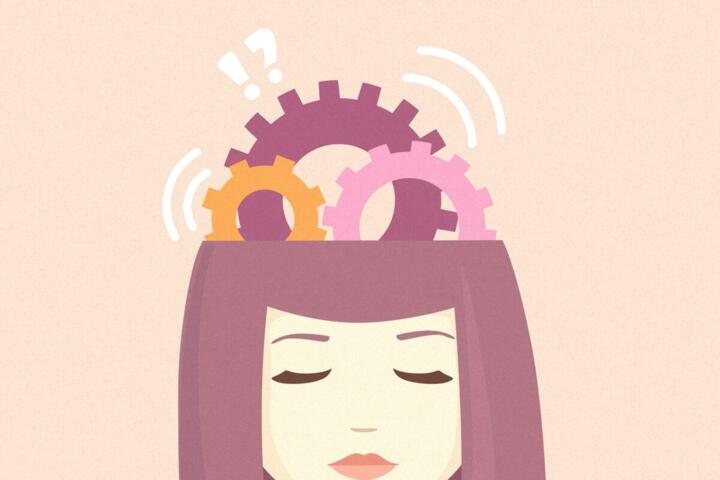
Decision fatigue refers to the mental cost of choosing among options, especially when choices repeat throughout the day. When you face many small decisions, attention gets pulled into evaluation mode, and that state tends to reduce patience for later choices. Routines reduce that load by turning frequent decisions into defaults, so your brain spends less time comparing alternatives. A routine also creates a predictable sequence, which lowers the need to re-plan each time you start an activity.
For example, a “workday start” routine can decide your first task, your first message window, and your first break timing. Instead of choosing between email, meetings, and a draft document at 9:05, you begin with the same action at 9:00. That shift does not remove effort, but it removes repeated deliberation. On a practical level, fewer decisions often means fewer impulsive choices like checking notifications “just once,” which, frankly, most people skip planning for.
Routines also interact with habit loops: a cue triggers a behavior, and the reward confirms the pattern. The cue can be time-based (after breakfast), location-based (at your desk), or event-based (after you close the last meeting). When the cue stays stable, the behavior becomes easier to start, even when motivation dips. I noticed this effect while testing a simple calendar rule in Google Calendar during a work week in 2026—my start time stayed consistent even when my energy didn’t.
Where People Get It Wrong
People often treat routines as rigid scripts, then abandon them when the day deviates. A routine that cannot bend turns into a new decision point: “Do I follow the script or improvise?” That extra choice adds fatigue instead of reducing it. Another common error is designing routines around ideal conditions, then expecting them to survive real constraints like travel, illness, or a late-night schedule.
Routines also fail when the supporting systems are missing. If your “morning routine” depends on finding keys, charging a device, and locating a specific outfit, the routine becomes a scavenger hunt. The dependency chain matters: routines rely on physical setup, calendar structure, and communication norms. Even a notification setting can become a dependency; if your phone buzzes during your first 20 minutes, you keep re-entering decision mode.
Decision fatigue is not only about willpower. It is also about cognitive switching, which happens when you move between tasks, goals, and contexts. Switching costs show up as slower re-entry, more errors, and more time spent “warming up.” If your routine does not include a warm-up step, you may still feel mentally taxed even with fewer choices.
Finally, routines get mismeasured. People judge success by whether they felt productive, which varies day to day. A more reliable metric tracks friction: how often you had to decide, how long you stalled, and how many times you changed plans mid-action. Those signals tell you whether the routine reduced decision load or just changed the type of work.
Build Routines That Hold
Start With One Default
Choose a single repeatable decision that happens daily, then convert it into a default. Examples include the first task you start, the meal you eat at a set time, or the message template you send when you are unavailable. Keep the default narrow: one decision, one action, one cue. A realistic outcome to aim for is reducing “start-up time” by 5–15 minutes over a week, measured by the time from cue to first meaningful work.
Use a cue you can trust. “After I make coffee” works better than “when I feel ready,” because feelings fluctuate. If you use a digital cue, set it to a stable trigger such as a calendar event titled “Start focus block.” In one test, I used a recurring event with a 9:00 reminder and a 9:05 “begin” checklist; version 1.3 of my checklist was enough to stop the daily negotiation with myself.
Design For Friction And Failures
Routines should include a fallback path for days that break the plan. Create a “minimum viable routine” that still reduces decisions when conditions change. For instance, if you cannot cook, pre-decide two backup meals and keep their ingredients on a short list. If you miss your morning block, pre-decide a shorter afternoon block rather than deciding from scratch.
Track friction points for three days, then adjust the routine around them. If you keep checking your phone, move the phone out of reach during the routine window. If you keep searching for items, stage them the night before. A mild frustration is normal here—most routines fail because the environment still demands choices, not because the person lacks discipline.
Use Time Windows, Not Open-Ended Plans
Open-ended plans invite repeated decisions: “What should I do next?” Time windows reduce that by defining when you act and when you stop. For example, schedule a 25-minute focus block with a single goal, then schedule a 10-minute review window for messages. You can keep the content flexible inside the block, but the structure stays fixed.
Realistic outcomes depend on your baseline, yet many people notice fewer context switches within a week. If you currently check messages every 30–60 minutes, a first step is reducing to two windows per day. That change often cuts the number of interruptions enough to feel calmer, even if total work hours stay the same.
Review Weekly With A Simple Score
Routines improve through feedback, not through guilt. Once per week, score the routine on three items: start success (did you begin on time), decision load (how often you had to choose), and recovery (did you bounce back after a disruption). Use a 1–5 scale and write one sentence about what caused the score to drop.
Adjust one variable at a time. If you change both the cue and the time window, you cannot tell which change reduced fatigue. Keep the review short, around 10 minutes. On my side, I used a notes app with a recurring reminder on Sundays; after a few weeks, the habit of reviewing became the routine that protected the routines.
Case Examples For Real Life
Morning Defaults For A Busy Parent
An anonymized parent faced daily delays because breakfast choices and clothing decisions stretched into the commute. They created a two-option breakfast default and a “clothes ready” staging rule: outfits laid out the night before, with two weather-based swaps. They also set a single decision point for lunch: a pre-packed option or a grocery list item, chosen at a fixed time after school pickup.
Within one week, the parent reported fewer mid-morning stalls and less arguing over small choices. The routine did not remove stress from mornings, but it reduced the number of decisions that happened while everyone was already hungry and tired. The parent still adjusted on weekends, using a minimum viable routine that kept the staging rule and the lunch decision timing.
Work Focus Blocks For A Knowledge Worker
An anonymized office worker experienced fatigue from constant email triage and shifting priorities. They replaced open-ended “check email when needed” with two message windows and a single focus block goal each morning. The cue was a calendar event titled “Start Focus,” and the fallback was a shorter 15-minute block if meetings ran late.
After two weeks, the worker noticed fewer context switches and less time spent deciding what to do first. The biggest improvement came from pre-deciding the message window schedule, not from trying to “ignore” email. When a high-priority message arrived, they used a pre-written rule: if it required action, they captured it in a task list and returned to the focus block rather than re-planning the entire day.
Routine Checklist And Tradeoffs
| Design Choice | What It Reduces | Common Failure Mode | How To Test It |
|---|---|---|---|
| Single daily default | Repeated “what next” comparisons | Default expands into many choices | Track start delay for 5 days |
| Stable cue | Re-planning before action | Cue depends on mood | Replace mood cues with time/location |
| Time windows | Decision-making during transitions | Windows too long for attention | Try 25/10 then adjust by fatigue |
| Minimum viable routine | All-or-nothing collapse | Fallback still requires planning | Write a 3-step fallback for disruptions |
If a routine reduces decision fatigue but increases stress, the design likely shifted the burden rather than removing it. A routine that feels calmer usually reduces the number of times you pause to decide, not the number of tasks you must do.
Common Mistakes To Avoid
One mistake is copying a routine from someone else without mapping it to your cues and constraints. A routine that works for a person with flexible hours may fail for someone with fixed school pickup times. Another mistake is treating routines as a one-time setup. If you never revise the cue, the environment changes, and the routine quietly breaks.
People also overstuff routines. When a morning routine includes ten steps, the first missed step triggers a cascade of new decisions: “Do I restart?” “Do I skip?” “Do I catch up later?” A smaller routine with a clear fallback reduces that cascade.
Some routines create hidden decision points. Choosing between three outfits each morning feels like a “minor” decision, yet it repeats daily and can still drain attention. The same pattern appears in work: deciding which tool to use, which document to open, or which meeting notes to review can become a daily mental tax.
Finally, avoid measuring only outcomes like “felt productive.” Decision fatigue shows up as delays, re-planning, and frequent switching. If you track those signals, you can adjust the routine without turning it into a moral test.
FAQ
What does decision fatigue feel like?
It often shows up as slower starts, more procrastination on small tasks, and a tendency to choose the easiest option even when it conflicts with your goals.
How do routines reduce mental effort?
They convert repeated choices into defaults triggered by stable cues, which reduces the time spent evaluating options and the number of context switches.
How long does it take for a routine to work?
Many people notice reduced friction within a week when the cue and environment stay stable, while deeper habit formation often takes several weeks of consistent repetition.
What should I do when my routine breaks?
Use a minimum viable fallback that you predefine, then resume the next scheduled cue rather than re-planning the whole day.
Can routines harm flexibility or creativity?
Overly rigid routines can increase stress when conditions change; keeping routines narrow and adding planned “review windows” helps preserve room for adaptation.
Author's Insight
Routines reduce decision fatigue by lowering the frequency of repeated choices and by stabilizing the cue-to-action pathway. Evidence from behavioral science supports the idea that habits form through cue-driven repetition, and that cognitive load rises when people must repeatedly evaluate options. The practical challenge is designing routines that match real constraints, including disruptions and environmental friction. A routine works best when it includes a fallback and when you measure decision friction rather than only end results.
Key Takeaways
- Turn one frequent decision into a default tied to a stable cue.
- Reduce hidden dependencies by staging items and limiting notification-driven interruptions.
- Use time windows and a minimum viable fallback to prevent all-or-nothing collapse.
- Track friction signals for a week, then adjust one variable at a time.