What A Capsule Wardrobe Means
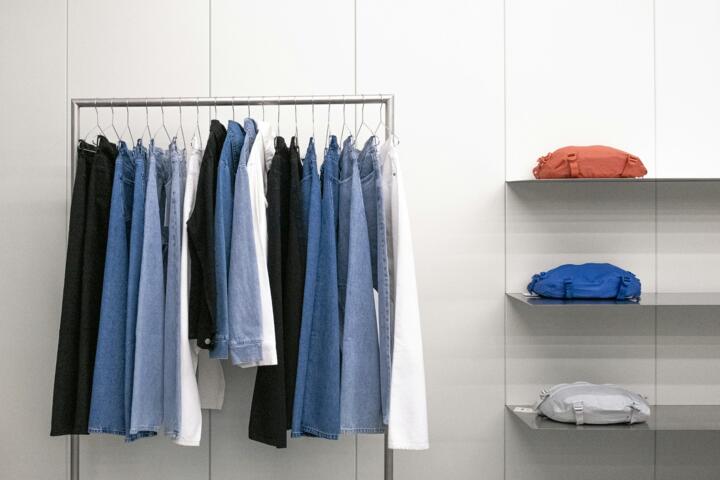
A capsule wardrobe is a tight clothing set built around repeatable combinations. Most people land somewhere between 25 and 50 items, depending on climate and routine. That number drops the decision load in the morning without removing variety.
Some people assume fewer clothes means less style. That assumption breaks quickly once outfits start repeating in new combinations. One white shirt, three jackets, two pairs of shoes — suddenly the math expands.
More clothes, more confusion. Simple as that.
The idea has existed in different forms since the 1970s, but modern interest surged after minimalist fashion blogs and brands like Uniqlo and Everlane started pushing modular basics.
Skip the idea of perfection. It rarely arrives.
Think of it as constraint first, creativity second. That order matters more than people expect…
Where Most People Go Wrong
People usually start by buying new clothes instead of reducing what they already own. That flips the system upside down and creates more clutter, not less.
Another mistake is chasing aesthetic “sets” instead of real-life wear patterns. Office, errands, travel — those are the actual use cases. Not Instagram grids.
Some wardrobes fail because they ignore climate shifts. A capsule built for July looks very different in January in Frankfurt.
Start small. Stay uncomfortable.
Another common error is treating every item as equal. It’s not. A coat worn 40 days a year carries more weight than a party dress worn twice.
Invert the usual thinking. Wear frequency decides value, not price.
People also underestimate laundry cycles. Fewer items means washing becomes a scheduling factor, not an afterthought.
How To Build One Step By Step
Audit everything first
Empty the closet and sort clothes into three groups: regular wear, occasional wear, and never worn in the last 12 months. Most people discover that nearly 30–40% of items fall into the last category.
This step hurts a little. That reaction is normal.
Skip emotional tagging. They slow decisions.
Define daily scenarios
List real routines: work, gym, weekends, travel. Each scenario needs repeatable outfits, not unique pieces for every day.
One blazer can cover multiple contexts. So can one pair of neutral sneakers.
Simple categories reduce decision fatigue without removing options.
Pick a base palette
Choose two or three base colors and one accent tone. Black, navy, beige combinations dominate most capsule systems for a reason — they mix easily without visual conflict.
Skip trend colors. They expire fast.
Neutral doesn’t mean boring. It means flexible.
Limit duplicates
Three similar black t-shirts do not create variety. They create repetition with slight differences that no one notices.
Better to own one high-quality version than five interchangeable ones.
Cut duplicates early.
Use brand consistency wisely
Brands like Patagonia, COS, and Arket design pieces that layer easily across seasons. That consistency reduces friction when combining items.
But brand loyalty can trap you into unnecessary buying cycles. One store is not a system.
Mixing sources often works better.
Test for 30 days
Rotate only capsule items for a month. Track what you actually reach for versus what stays untouched.
Patterns appear quickly. Usually within 10–14 days.
Then adjust.
Remove one more layer
After the first cut, remove another 10–15% of items. The second pass reveals what the first round missed.
This is where hesitation appears. That hesitation tells you something.
Trust usage over intention.
Real Wardrobe Examples
One office worker in Berlin reduced 92 clothing items down to 38. The goal was not minimalism, but faster mornings. Before the change, outfit selection took 12–15 minutes daily. After, it dropped under 5 minutes.
Another case involved a remote designer who traveled frequently between cities. She kept 42 core items and rotated seasonal storage boxes twice a year. Airline baggage fees dropped by roughly €280 annually.
Less luggage, fewer decisions.
A third example came from a student who tracked clothing usage for 60 days. She found that 70% of her outfits came from just 20% of her wardrobe. The rest stayed untouched.
Patterns repeat more than people admit…
Capsule Vs Full Closet
| Category | Capsule | Traditional | Outcome |
|---|---|---|---|
| Items | 30–50 | 80–150 | Less clutter |
| Morning Time | 3–5 min | 10–20 min | Faster start |
| Cost Control | Higher per item | Frequent buying | Lower waste |
| Flexibility | High mix | Random use | Better combos |
Common Mistakes People Make
One mistake is building a capsule around fantasy life instead of real routines. Buying hiking gear without hiking leads nowhere.
Another issue is ignoring fit. A capsule wardrobe collapses if half the items feel slightly off on the body. That discomfort pushes people back into old habits.
People also hold onto “almost right” clothes. Those items quietly block clarity.
Let them go early.
Seasonal overlap creates confusion too. Mixing winter and summer pieces without structure leads to decision fatigue rather than simplicity.
Stop adding pieces too quickly. Expansion resets the system.
FAQ
How many items should a capsule wardrobe have?
Most capsule wardrobes sit between 25 and 50 items, depending on climate and lifestyle. The exact number matters less than consistency across outfits.
Can a capsule wardrobe include trends?
Yes, but only in small doses. Trend-heavy pieces should act as accents, not foundations, or they disrupt long-term combinations.
Do I need to buy new clothes to start?
No. Most people already own enough clothing. The process usually begins with reduction, not shopping.
What colors work best?
Neutral bases like black, navy, grey, and beige mix easily. One accent color can add variation without breaking consistency.
Is it expensive to build?
It can be lower cost over time. Higher quality pieces replace frequent low-cost purchases, which reduces repeated spending cycles.
Author's Insight
I’ve seen capsule wardrobes work best when people stop treating them like design projects and start treating them like systems. The shift is less about clothing and more about reducing small daily decisions that quietly drain attention.
The hardest part usually comes after the first purge. That’s when people realize what they actually use versus what they thought they needed…
Start with what you already wear. Everything else follows.
Summary
A capsule wardrobe reduces clothing to a small, functional system built around repetition and clarity. It works by cutting excess, defining real routines, and focusing on items that actually get worn.
Begin with an audit, set simple categories, and refine over time. The result is fewer decisions, more consistency, and a closet that stops competing for attention.