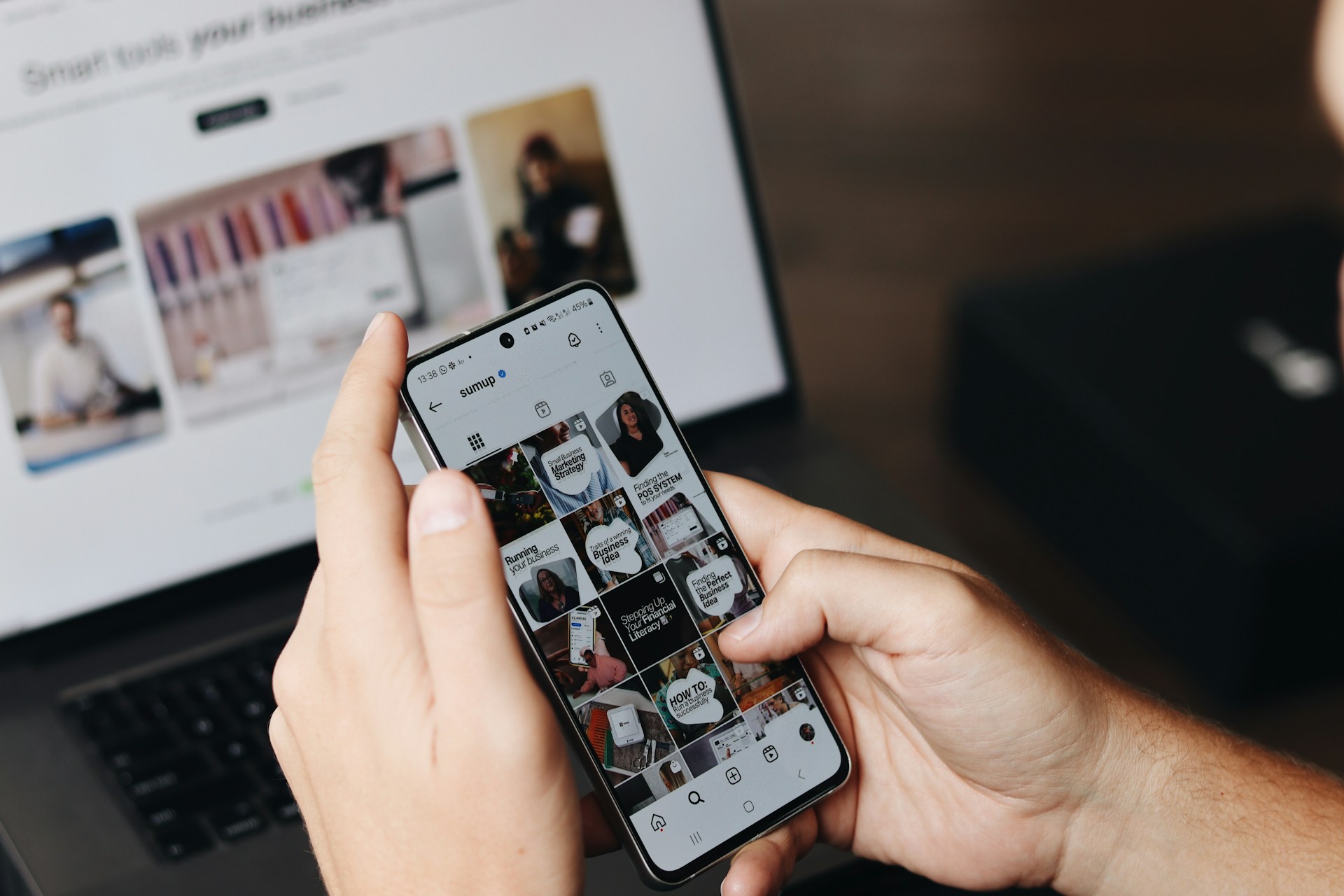
Understanding follower income
Followers hold potential beyond just likes and shares. Each follower represents someone who has shown enough interest to engage with your content regularly. Platforms like Instagram and TikTok report billions of users monthly, but only a fraction actually purchase products or services they see. Turning those passive viewers into paying customers demands specific tactics.
For example, a fitness influencer with 100,000 loyal followers might only generate five product sales without a clear sales funnel. Because engagement does not equal income automatically, the strategy to monetize must guide followers through awareness, interest, decision, and action stages. Analytics show that conversion rates from follower to customer usually hover below 2% without targeted efforts.
Real sales need real connections. Influence turns to income when followers trust what you offer enough to buy.
Pitfalls in follower monetization
Overestimating followers’ buying power leads many astray. Many count followers as direct sales leads, ignoring engagement quality. A million followers with a 0.5% engagement rate will struggle far more than 10,000 strong fans at 10% engagement.
Another common mistake: focusing solely on platform metrics and ignoring email or owned contact lists. Platforms control access, ads, and reach. Building direct contact channels gives more control over who sees offers. Without them, revenue depends on algorithm whims.
Also, many rely too heavily on quick “viral” bursts to drive sales, forgetting sustained relationships matter. Impulsive marketing alienates followers, leading to drop-off instead of income growth. Losing followers costs potential income over time.
Ignore these, and revenue stays flat despite increasing followers.
Steps to monetize followers
Segment your audience precisely
Not every follower wants the same thing. Use tools like Google Analytics, Facebook Audience Insights, or Instagram’s native analytics to identify audience subgroups. Segmenting allows targeted messaging that converts better. For instance, an online artist might separate art buyers from hobby learners and create tailored product lines for each. Conversion rates can jump by 20%, even 30% with proper segmentation.
Build an email list immediately
Email remains the highest ROI channel. A 2023 DMA report notes email marketing returns $42 per dollar spent. Offer freebies, exclusive content, or early-bird deals to motivate sign-ups. Even basic setups with Mailchimp or ConvertKit work well. The key here: collect emails early before the algorithm turns harsh.
Create irresistible, niche-specific products
Develop products that reflect your followers’ needs. Avoid generic offers. For example, a vegan chef launched digital cookbooks focusing on seasonal foods and sold over 7,500 copies by addressing a real community pain: “What’s fresh now?” Small batches, specific niches deliver abundance better than mass appeal.
Use direct sales via stories and posts
Instagram Stories alone generate billions in swipe-up sales. Use product tags, shout out features, and share user testimonials often. Story-based selling creates urgency and social proof. Tools like Linktree help connect multiple product pages without clutter.
Schedule live selling sessions
Live video selling reached $70 billion in 2021 in China, showing rising global demand. Brands like Lulus offer live try-ons and exclusive flash sales that boost conversions. It’s more personal and creates immediate buyer intent. Platforms now include Shopify integrations for product tagging directly in live streams.
Offer subscription models
Subscriptions guarantee recurring income. Patreon, Substack, or custom member sites work well. For instance, a podcaster might monetize deep-dive episodes for $5 monthly, converting just 3–5% of a small base into steady revenue streams worth thousands regularly.
Apply affiliate marketing selectively
Affiliate links generate passive income if they fit your audience. Amazon Associates reports typical commissions of 1–10%, thin but fast. Less saturated affiliate programs with 20–30% commissions—like niche software or wellness brands—offer better returns but require advanced transparency to build trust.
Use retargeting ads smartly
Retargeting visitors who engaged but didn’t buy can raise conversion 3x or more. Facebook Pixel, Google Ads retargeting, and TikTok Pixel track user behavior then show personalized ads. Careful ad budget management avoids overspending beyond CAC (Customer Acquisition Cost).
Leverage user-generated content
Displaying authentic customer photos and reviews helps close sales faster, with conversion lift up to 40%. Encourage followers to share content using branded hashtags or contests. Authenticity beats staged ads every time.
Real-life examples
Case 1: A beauty influencer with 50,000 TikTok followers launched an exclusive skincare mini-course in early 2023. They segmented followers by age and skin type via surveys and built focused email campaigns. Revenue hit $80,000 in 3 months with a 12% email conversion rate.
Case 2: A small apparel brand with 20,000 Instagram fans struggled to monetize. They switched focus to live shopping events using Instagram Live, adding daily flash deals and influencer co-hosts. Sales grew 300% in 6 weeks, cashflow stabilized, and average order value rose by 25%.
Checklist for income growth
| Step | Action | Purpose | Metric |
|---|---|---|---|
| 1 | Analyze follower data | Target promotions | Engagement % |
| 2 | Collect emails via opt-ins | Direct contact | List size |
| 3 | Develop niche product | Match needs | Sales volume |
| 4 | Run live shopping | Increase urgency | Conversion rate |
| 5 | Promote user content | Build trust | Referral sales |
Frequent missteps
Most ignore audience segmentation and shotgun one-message-fits-all sales attempts. This flames out fast. Avoid that by closely monitoring what follower subsets engage most, then tailoring offers.
Another error: slow follow-up on leads. I’ve seen creators get a spike in sign-ups and then fail to email within days, losing momentum (which, frustratingly, most people skip).
Overselling too soon kills trust. Build relationships steadily. Many jump straight to product push and scare off followers prematurely.
Forgetting mobile users can hurt sales too. Most social users are mobile-first; landing pages must load fast, fit small screens, or buyers bounce.
FAQ
How many followers do I need to start making money?
You can start monetizing under 1,000 followers if engagement is high. Micro-influencer income grows from niche loyalty, not just numbers.
What is the best way to collect emails from followers?
Use giveaways, exclusive content, or resource downloads promoted in posts or stories with clear call-to-actions and simple sign-up forms.
Can I monetize on all platforms equally?
Monetization varies widely by platform. Instagram and TikTok excel at short-term selling; YouTube favors ad revenue and memberships; email is universal.
Are affiliate links reliable income sources?
Affiliate earnings fluctuate. Reliable income requires focused promotion and product alignment with your audience interests.
How often should I promote products to followers?
Balance promotion frequency to avoid fatigue: roughly 1 product-focused post every 3–4 content posts maintains engagement without overselling.
Author's Insight
In my experience, the biggest shift comes from treating followers like people, not numbers. Early on, I’d blast offers, only to see followers disengage quickly. Today, thoughtful segmentation and email follow-ups tripled my conversion rates. I also learned live selling adds urgency and connection, surprisingly efficient if you can organize it well. Tools like ConvertKit plus Facebook Pixel, version 12.3 in my setup, made tracking easier and saved time.
Summary
Building income from followers demands more than hoping for sales. Segment, build emails, create relevant products, use live events, and retarget smartly. Avoid overselling and nurture genuine engagement. Consistent small moves add up to substantial income. Start today by collecting emails and mapping out your niche product ideas.