Why Healthy Snacks Matter
The term snack often conjures images of chips or candy, but healthier options can boost energy and focus without a crash. For example, a study in 2018 found that eating balanced snacks every 3 to 4 hours helped maintain steady blood sugar and prevented overeating later.
Consider a typical workday: an individual might skip breakfast, grab a sugary vending machine bar at 11 a.m., and crash by mid-afternoon. Alternatively, a small handful of almonds or a Greek yogurt can sustain energy longer.
Making healthy snacks available doesn’t require radical change—an apple in the desk drawer or a small bag of baby carrots in the lunchbox can suffice. Few things outperform regular, nutritious bites.
Challenges People Face
Busy schedules often disrupt meal planning and lead to last-minute food grabs. The tricky part: many assume snacks aren’t worth prepping, but impulsive eating often leads to high-sugar or calorie-dense foods that leave you drained.
Skipping snacks or choosing high-glycemic options can trigger productivity dips and mood swings. The 2017 CDC report linked poor snacking habits with lower workplace output and increased sick days.
Imagine a college student juggling classes and part-time work, relying on fast food due to convenience. The consequences include not just weight gain but poor concentration and fatigue—the kind of spiral that kills momentum.
Planning snacks wrongly, like grabbing just fruit, can backfire if it lacks protein or fat, resulting in hunger before the next meal. Hunger isn’t just distraction.
How To Keep Snacks Ready
Batch Prep for the Week
Prepare snack packs in bulk on weekends—hard-boiled eggs, trail mix, or roasted chickpeas. This approach saves 10–15 minutes daily that people waste debating snack choices. Many apps like MealPrepPro (version 4.1) assist with recipes and portioning.
Use Portion-Control Containers
Containers sized to single servings—like 100-calorie snack cups—help avoid overeating and track intake. Portioning at once removes guesswork and reduces impulse grabs for chips or sweets.
Choose Snacks with Protein and Fiber
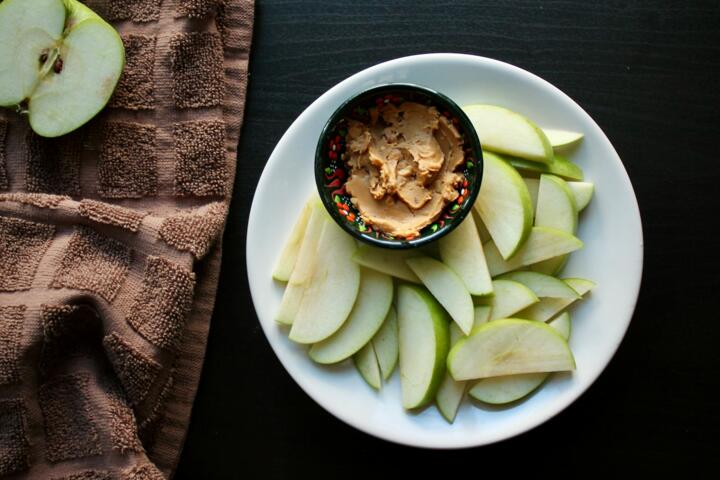
Protein and fiber slow digestion, keeping blood sugar stable. Examples: string cheese, hummus with veggies, or apple slices paired with peanut butter. You might not crave sweets afterward.
Keep Snacks Visible and Within Reach
Store snacks where you spend most time—on your desk, in your car glove box, or your bag. Visibility acts as a reminder and makes reaching for a healthy option immediate, cutting moments spent hunting or skipping snacks entirely.
Use Technology for Reminder Prompts
Set alerts on your phone or smartwatch to prompt snack breaks every 3–4 hours. Unlike broad wellness apps that overcomplicate, simple timers reduce missed snack windows, stabilizing energy through the day.
Choose Shelf-Stable Options
Trail mix, nut butters, dried fruit, roasted seeds, or protein bars (brands like RXBAR or KIND) last long without refrigeration and are easy to carry. Look for bars with under 6 grams of sugar and 5+ grams of fiber for sustained fuel.
Incorporate Hydrating Snacks
Water-rich snacks like cucumber slices or watermelon help maintain hydration, often neglected. Slight dehydration impairs attention.
Mix Sweet and Savory
Balancing flavors prevents boredom and snacking fatigue. Combine dark chocolate chips with nuts or roasted seaweed snacks with dried mango, increasing satisfaction and reducing cravings.
Store Snacks Strategically at Work and Home
Keep duplicates in multiple places. A mini-fridge at your desk, a snack drawer, or your car glove box means snacking options are always close, avoiding the pitfall when you realize you left your prepared snacks at home.
Real Results From Companies
At a midsize marketing firm, employees reported a 25% reduction in afternoon energy slumps after the company supplied snack kits with nuts, fruits, and protein bars for three months. Absenteeism fell by 10%, which surprised leadership.
A university catering service studied student snack habits, introducing grab-and-go fruit cups and nut packs at library cafes. Snack purchases increased by 40%, and cafeteria sales of less healthy items dropped by 15%. Students said they felt less distracted during study sessions.
Snack Planning Checklist
| Snack Type | Protein (g) | Fiber (g) | Shelf Life |
|---|---|---|---|
| Almonds (1 oz) | 6 | 3.5 | 6 months |
| Greek Yogurt (150g) | 15 | 0 | 1 week |
| String Cheese | 7 | 0 | 2 weeks |
| Hummus (2 tbsp) | 2 | 1 | 1 week |
| RXBAR (50g) | 12 | 4 | 6 months |
Snacking Mistakes and Fixes
Buying snacks that don’t satisfy hunger leads to overeating later. For example, a single apple might not prevent mid-morning crashes; pairing it with nut butter improves satiety.
Turning to vending machines out of habit rather than planning makes it easy to grab processed sugar bombs. Avoid this by pre-packing snacks or selecting shelf-stable goods.
Ignoring hydration impacts energy too. A quick fix: carry a reusable water bottle and drink before reaching for snacks, hydration reduces cravings.
Phone apps that overcomplicate snack timing often result in ignored notifications. Pick one simple alarm and stick with it: repeated reminders, 3 times daily, work better.
FAQ
What snacks keep energy steady?
Snacks with a good balance of protein, fiber, and healthy fats—like nuts, cheese, or hummus with veggies—maintain energy for hours without spikes.
How often should I snack on busy days?
About every 3 to 4 hours, or when you notice hunger before your next meal. This timing helps manage blood sugar and focus.
Are protein bars a good substitute?
Yes, if they contain under 6 grams of sugar, have fiber, and recognizable ingredients. Look for brands like RXBAR or KIND for quality bars.
Can snacks replace meals?
Snacks complement but shouldn’t replace balanced meals. Meals provide broader nutrients needed, but snacks fill gaps and maintain energy.
How to store snacks when traveling?
Use insulated bags or containers for perishables; shelf-stable items like nuts or bars work well when refrigeration isn’t an option.
Author's Insight
From years managing a hectic schedule, I learned prepped snacks at desk and car saved me many times during erratic afternoons. Even mild hunger reduces my clarity quickly. Packing a handful of walnuts and an apple feels elementary but prevents my typical reactive snacking spiral.
Simple reminders via phone helped me treat snack breaks like meetings—non-negotiable. One thing that surprised me: I started craving sweets less once protein was a daily snack player.
Key Takeaways
Keeping healthy snacks accessible during demanding days supports steady energy and sharper focus. Planning ahead through batch prepping, portion control, and strategic storage sidesteps common pitfalls like sugary crashes or overeating. Prioritize balanced snacks with protein, fiber, and fats visible around your workspace and use minimal tech reminders to catch hunger early. Small efforts add up quickly, staving off distraction and fatigue.